


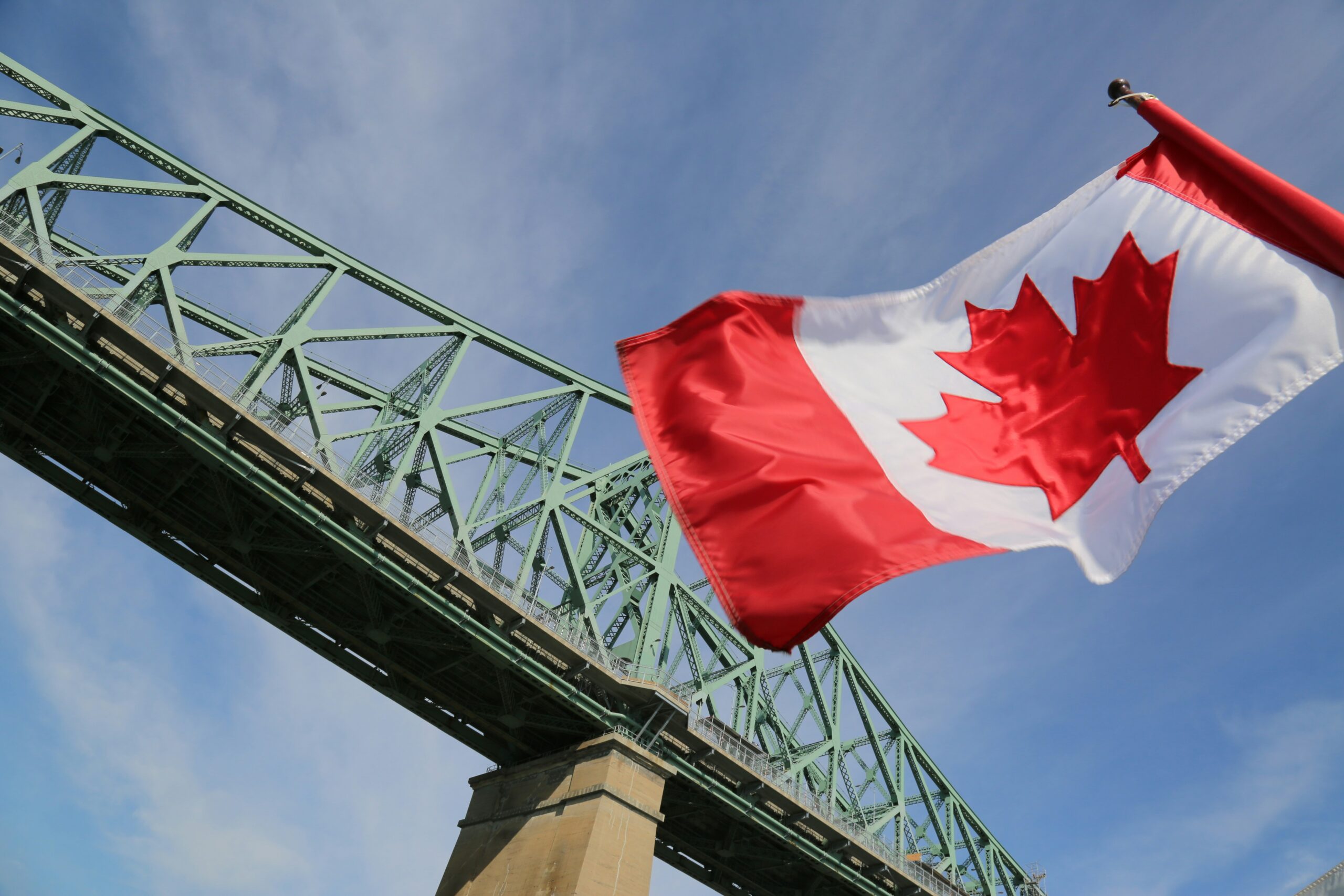
Ottawa will remove some retaliatory duties while retaining tariffs on cars, steel, and aluminium.
Prime Minister Mark Carney announced Friday that Canada will lift part of its trade retaliation against the United States. While key tariffs on vehicles, steel, and aluminium remain, other levies on American goods will be eliminated starting September 1.
Action follows missed trade agreement deadline
The announcement follows Carney’s first conversation with President Donald Trump since both countries failed to meet the deadline for a new trade pact. Earlier, Canada had imposed 25% tariffs on roughly C$30bn (£16bn; $21.7bn) worth of US products, including appliances and orange juice, in response to Washington’s 35% tariffs on goods not covered under the existing free trade framework.
Carney said Canada will now remove duties on items falling under the US-Mexico-Canada Agreement (USMCA), restoring mostly duty-free trade between the two nations.
The White House welcomed the move in a statement to CBS, calling it “long overdue” and expressing hope for ongoing discussions on trade and security. Trump later said he expects to speak with Carney again soon.
Domestic reaction and political debate
Although surveys show strong support among Canadians for retaliatory tariffs, the policy shift drew criticism at home. Conservative leader Pierre Poilievre said Carney had abandoned his “elbows up” approach, describing the decision as a backtrack.
Carney defended the decision, pointing out that USMCA gives Canadian exports an effective tariff rate of roughly 5.6%, far below the global average of around 16%. He stressed the importance of maintaining this advantage for Canadian businesses and workers.
Since January, Trump has introduced or raised tariffs on imports from multiple countries and signaled more increases to secure trade deals favorable to the US. US ambassador Pete Hoekstra warned that Canada’s counter-tariffs risk complicating negotiations and criticized Canadian politicians for attacking Trump personally rather than focusing on policy.
Focus turns to critical sectors
Carney said future negotiations will prioritize autos, steel, aluminium, and lumber ahead of next year’s scheduled USMCA review.
Currently, the US applies a 50% tariff on steel and aluminium imports—excluding the UK—along with duties on copper and vehicles. Canada’s 25% tariffs on American metals and cars will remain.
Economists warn that these tariffs are already affecting Canada’s economy. As a major supplier of steel and aluminium to the US, Canadian companies have reported reduced contracts and scaled-back production. The auto industry is also under pressure, given the integrated North American supply chains. Ontario, Canada’s auto manufacturing hub, has lost 38,000 jobs over the past three months, most in manufacturing.
