


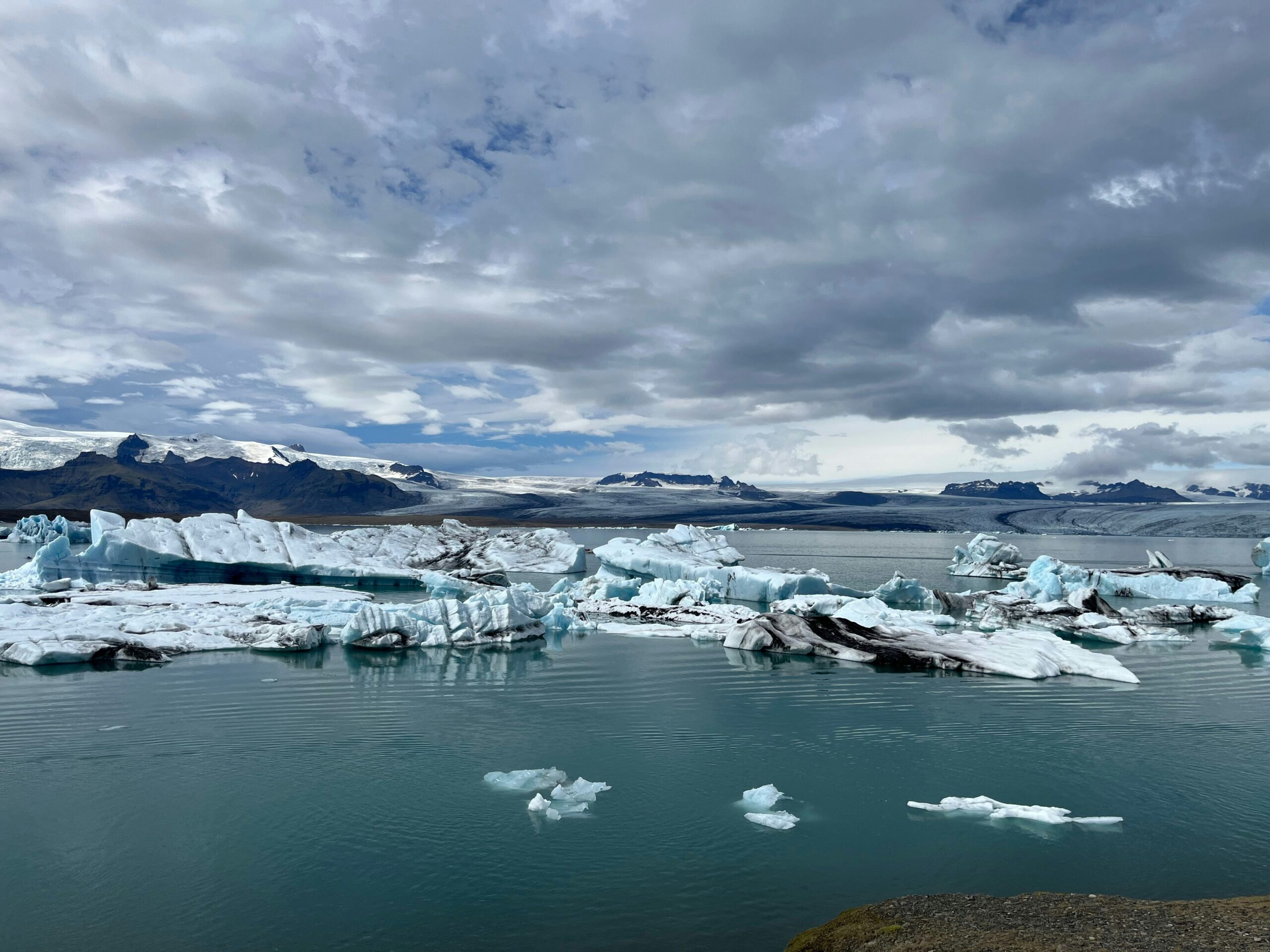
Antarctica is under growing pressure from human activity as tourism and research expand across the continent. Annual visitor numbers have soared from fewer than 8,000 in the 1990s to more than 124,000 in 2023–24, with projections suggesting up to 450,000 by 2034. During the 2024–25 season, over 80,000 tourists set foot on the continent while roughly 36,000 observed it from ship decks. Even with IAATO regulations limiting shore landings and enforcing biosecurity checks, each trip generates around 5.44 tonnes of CO₂ per passenger, adding to the environmental burden.
Pollution and Accelerated Snow Melt
A study in Nature Sustainability reveals that human presence has increased toxic metal concentrations, such as nickel, copper, and lead, tenfold in frequently visited areas. Tourism and research missions disturb wildlife, trample fragile flora, and risk introducing invasive species. The greatest concern comes from black carbon from ships, aircraft, and diesel generators, which darkens snow and accelerates melting. A single tourist can contribute to melting approximately 100 tons of snow, while a scientific expedition can have ten times that impact. Despite efforts to reduce harm, including hybrid ships and coordinated landings, researchers stress that only deeper cuts in fossil fuel use and a faster shift to renewable energy can sufficiently protect Antarctica’s fragile ecosystems.
