


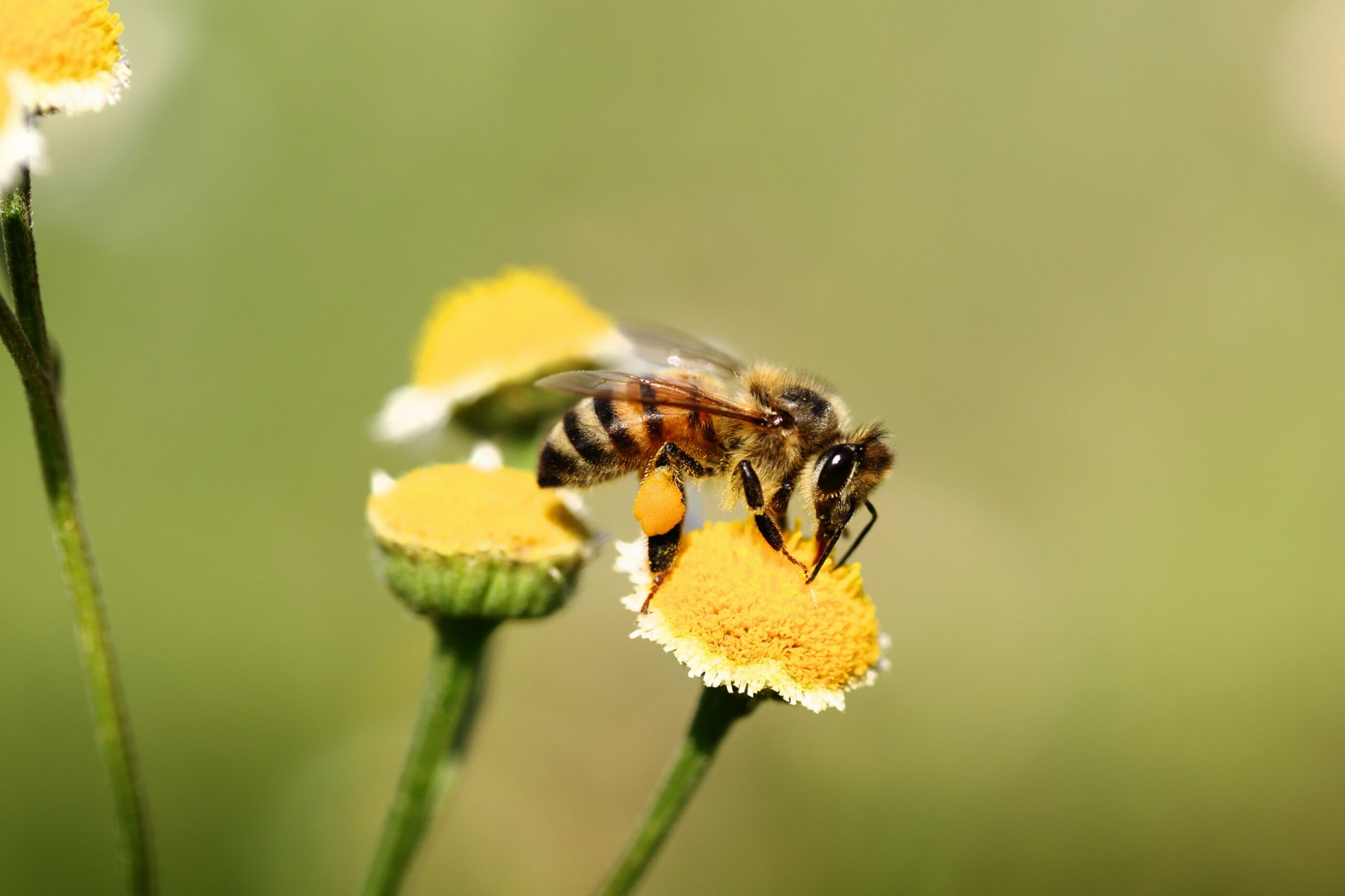
A new study in the Colorado Rockies shows that wild bees actively select flowers to balance their intake of protein, fats, and carbohydrates. Over eight years, researchers observed eight bumblebee species, tracking their pollen collection and analyzing nutrient content in the lab. Protein levels in pollen ranged from 17% to 86%, with spring flowers being protein-rich and late-summer flowers higher in fats and carbohydrates. Individual bees adjusted their diets as their colonies developed, reflecting changing nutritional needs over time.
The study also found distinct nutritional niches among coexisting bee species. Larger-bodied bees with longer tongues preferred protein-rich pollen, while smaller bees with shorter tongues favored pollen higher in fats and carbohydrates. These findings demonstrate that bees forage strategically rather than randomly.
The research highlights the importance of conserving floral diversity to meet the nutritional needs of wild pollinators. By planting and protecting flowers with varied nutrient profiles throughout the season, conservation efforts can support healthy bee populations, which are essential for both natural ecosystems and human food systems.
