


Western allies coordinate efforts to target Moscow’s financial and energy sectors
WASHINGTON, Sept 9 — In response to a surge in Russian attacks on Ukraine, U.S. and European officials met in Washington to discuss a coordinated sanctions strategy designed to tighten economic pressure on Moscow. The talks emphasized collaboration to curb Russia’s capacity to fund its military operations.
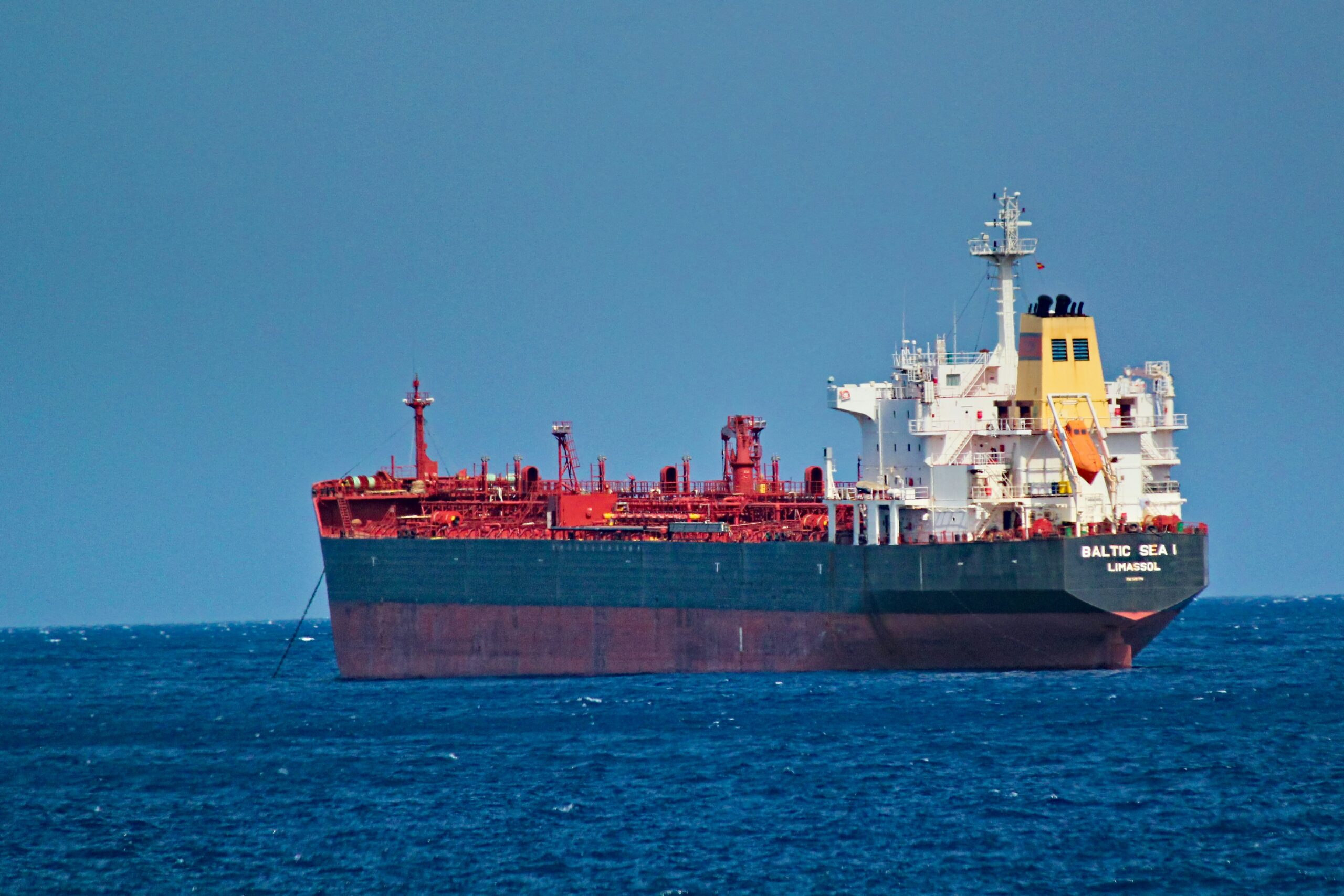
The meeting, held at the U.S. Treasury Department, included Treasury Secretary Scott Bessent and EU Sanctions Envoy David O’Sullivan. Officials focused on measures affecting Russian oil exports and refining operations, key sources of Kremlin revenue, and stressed the need for a unified approach between transatlantic partners.
Trump Signals Broader Sanctions Measures
President Donald Trump, joining the discussion remotely, indicated the U.S. may implement a “second phase” of sanctions. These could target countries such as India and China that continue purchasing Russian oil, aiming to reduce indirect financial support for Moscow and limit its energy income.
EU Prepares 19th Sanctions Round
The European Union is moving forward with its 19th sanctions package, which will focus on Russian banks and energy firms. The goal is to further isolate Russia from global financial systems and restrict its energy exports, strengthening the impact of coordinated Western action.
Escalating Russian Strikes Intensify Urgency
The meetings followed Russia’s most extensive attack on Ukrainian infrastructure to date, involving more than 800 drones and 13 missiles hitting over 30 sites. The assaults caused widespread damage and significant casualties, prompting Ukrainian President Volodymyr Zelenskyy to call for stronger international sanctions and increased support.
Outlook
The collaborative U.S. and EU approach signals a more assertive stance against Russia’s ongoing aggression in Ukraine. While the ultimate effectiveness of the sanctions depends on enforcement and international cooperation, the talks reflect a commitment to coordinated economic pressure as a tool to influence Moscow’s actions.
