


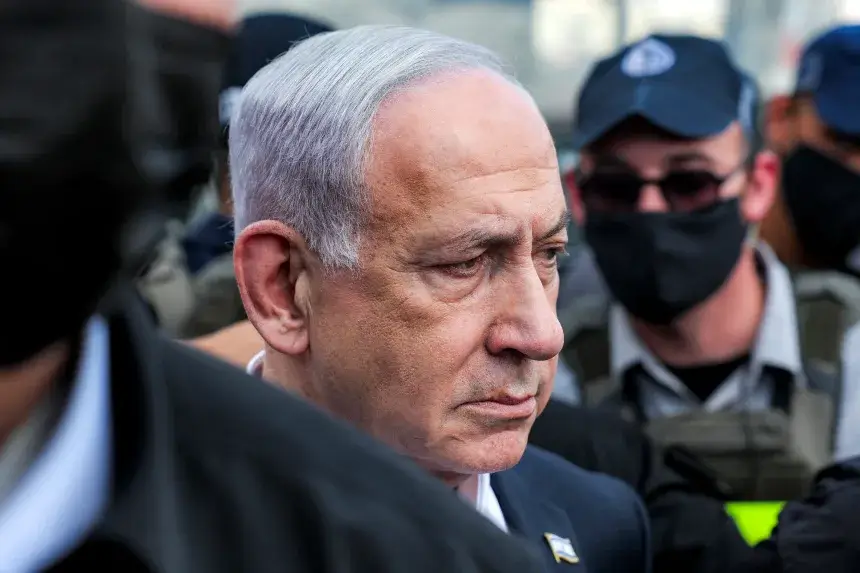
Israel’s latest strike in Qatar has left U.S. President Donald Trump facing another major setback to his international credibility. The attack, which killed five Hamas members in a Doha residential area, came as the White House pushed for a ceasefire deal in Gaza. While Trump insisted he had no prior knowledge, the incident exposed limits to his influence over one of America’s closest allies.
Trump said he quickly notified Qatar once he learned of the raid, stressing it was not his decision. He admitted he was “not thrilled” about the strike, calling the situation troubling. For many observers, this marked a rare understatement from the U.S. leader, who has often projected strength in global affairs.
The strike ignored delicate talks underway in Doha, where Hamas officials were engaged in negotiations brokered by the White House. Qatar hosts the largest U.S. military base in the Middle East, making the operation a sharp blow to Washington’s diplomatic efforts. Analysts say Israel’s action highlights a growing willingness by Prime Minister Benjamin Netanyahu to prioritize his goals over U.S. interests.
White House insiders were reportedly angered, especially as Netanyahu’s adviser met with Trump’s envoy in Washington just a day before the strike without disclosing the planned operation. Some see this as a deliberate move to sideline the U.S. president during a critical phase of ceasefire negotiations.
Former U.S. ambassador Edward Djerejian, who served under several administrations, said the strike undermines Trump’s effort to push for a broad peace deal. He noted that Israel appeared unwilling to factor in U.S. security concerns.
The attack in Qatar casts a shadow over any hope for a near-term peace agreement. Negotiators had been working on a plan to secure a ceasefire, exchange prisoners, and release hostages held in Gaza. Instead, the strike may harden positions on all sides, reducing trust in the mediation process.
There are fears for the remaining Israeli hostages, as Hamas could respond by halting or slowing down negotiations. Netanyahu has long insisted on destroying Hamas militarily, a goal experts warn may not be achievable. This uncompromising stance has already led to heavy civilian losses in Gaza, isolating Israel from much of the global community.
For the United States, the timing and location of the strike present several challenges. First, it risks damaging the crucial relationship with Qatar, a state that has often helped Washington in delicate diplomacy, from Middle East conflicts to hostage deals in other regions. Qatari leaders described the strike as “state terrorism” and may now reconsider their role in talks.
Second, Trump’s image as a capable mediator has been weakened. His return to office in January came with promises to swiftly end wars in Ukraine and Gaza. Eight months later, both conflicts remain intense, with global rivals such as Russia’s Vladimir Putin and China’s Xi Jinping openly testing his authority.
Third, the broader U.S. goal of expanding the Abraham Accords is now more uncertain. Trump had hoped to bring more Arab states into normalized relations with Israel, but the strike may push Gulf leaders to distance themselves instead. For them, the idea that Israel can carry out attacks in Qatar under the watch of U.S. forces raises questions about their own security.
Experts suggest Netanyahu’s long time in power has emboldened him to act independently of Washington. Retired Admiral James Stavridis, former NATO commander, noted that Netanyahu has become adept at advancing his agenda regardless of U.S. concerns. This leaves Trump in a difficult position: eager to portray himself as a peacemaker, yet unable to prevent allies from undermining his efforts.
While the strike may not significantly hurt Trump’s political standing at home, it strikes at the core of how he wants to be seen abroad. His brand as a tough leader who commands respect is now under question. With the U.S. economy facing headwinds, his claim to global leadership was one of his remaining strengths. The Doha incident has cast doubt on whether he still holds the leverage needed to deliver lasting peace agreements.
The strike in Qatar represents more than a military operation. It has shaken U.S. diplomacy, strained trust with key partners, and left Trump struggling to defend his role as a global power broker. For many allies and rivals alike, the attack is another sign that Trump international credibility is faltering at a critical moment in world affairs.
