


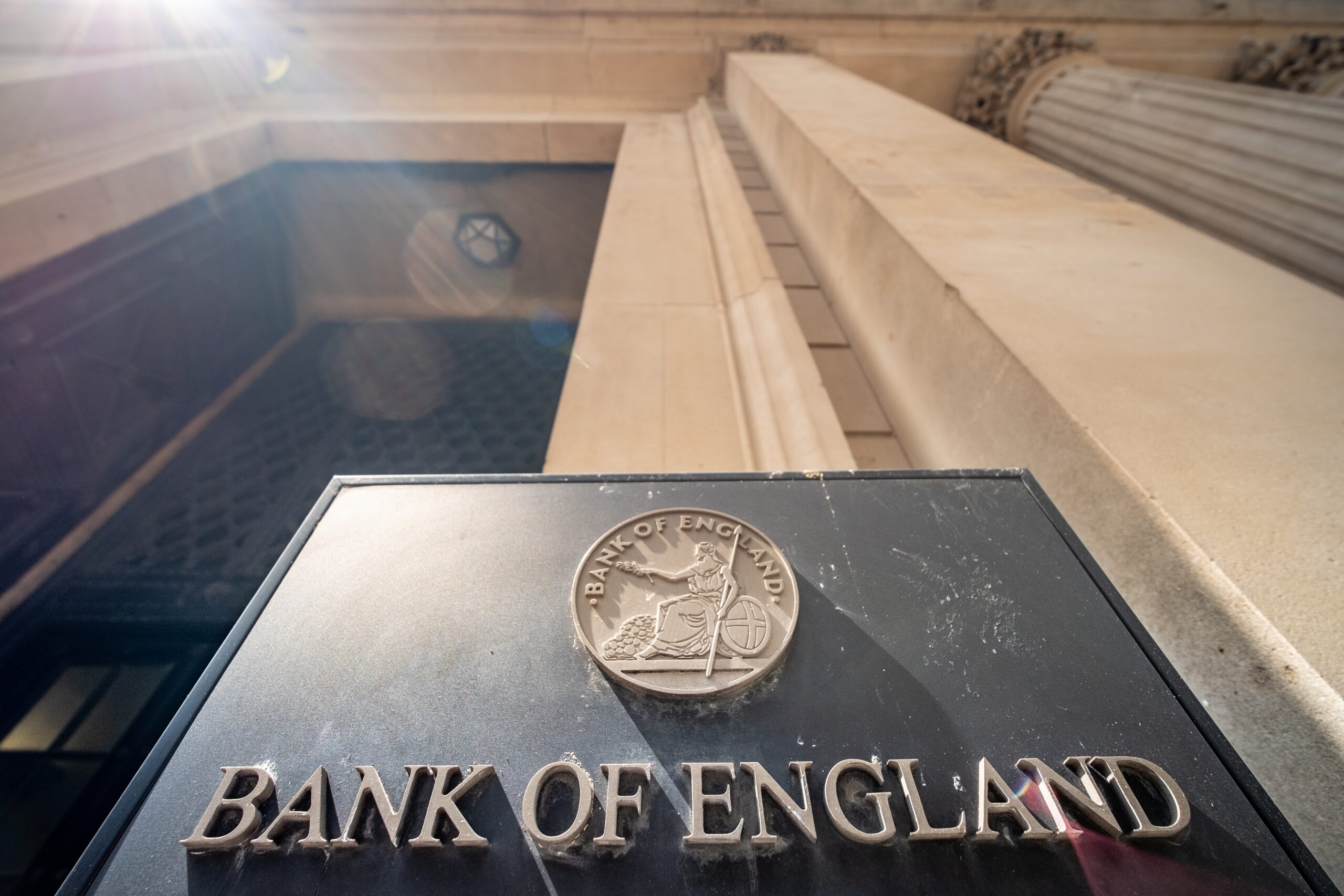
Former Bank of England policymakers have called on governor Andrew Bailey to reduce or halt the central bank’s bond-selling programme, warning it is pushing government borrowing costs to a 27-year high. Four ex-members of the Bank’s monetary policy committee (MPC) said action was needed as Chancellor Rachel Reeves prepares for the 26 November autumn budget.
While global factors, including Donald Trump’s trade war and US Federal Reserve policy, have contributed to rising gilt yields, the Bank acknowledged that its £100bn quantitative tightening (QT) programme, unwinding crisis-era quantitative easing (QE), is also adding pressure. The Bank has sold about £100bn of bonds over the past year, leaving a £560bn portfolio, largely at a loss.
Michael Saunders, a former MPC member, said active sales in volatile markets could push yields higher, while Sushil Wadhwani recommended switching to passive QT, letting maturing debt expire rather than selling. Andrew Sentance called reducing QT to around £70bn sensible, though he stressed the Bank’s priority remains inflation control.
Cutting or pausing bond sales could help ease long-term gilt yields and save the Treasury over £10bn annually, according to the IPPR thinktank, which noted the Bank earns less on gilts than it pays on commercial bank reserves. Some economists also suggest lowering the interest paid on these reserves to reduce costs.
The Bank is widely expected to maintain its base rate at 4% this week but may signal a slowdown in QT amid upcoming jobs and inflation data.
