


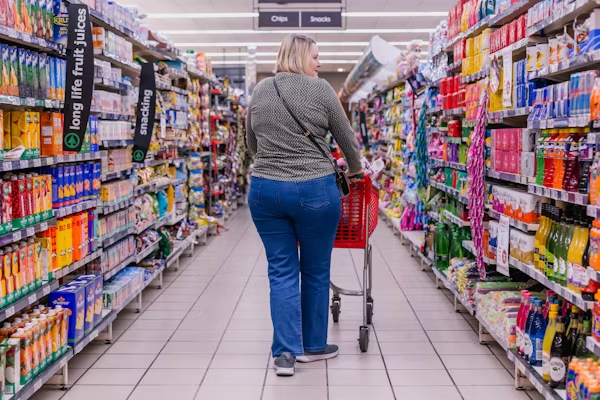
Food prices climbed again in August, marking the fifth consecutive monthly increase. Official data shows the fastest rise since early last year.
The cost of food and non-alcoholic drinks rose 5.1% over the year. Beef, butter, milk and chocolate recorded the largest increases.
Slower growth in other areas, including air fares, kept overall inflation steady at 3.8%, unchanged from July.
Economists said supermarkets are passing higher minimum wage and National Insurance costs directly onto consumers.
Bank of England likely to keep rates steady
Inflation remains above the Bank of England’s 2% target. Analysts expect the central bank to hold interest rates this week.
Chancellor Rachel Reeves acknowledged that families are struggling. She pledged to bring costs down and support households facing rising bills.
Her first Budget raised the minimum wage and employer National Insurance Contributions. Businesses warned these changes would push prices higher.
Reeves promised no new borrowing or additional taxes, though speculation about the November Budget continues.
Shadow chancellor Sir Mel Stride described the inflation figures as “deeply worrying” and said Labour’s policies are fuelling the rise.
UK inflation higher than Europe
The Office for National Statistics reported the fastest rise in food and drink prices in 19 months.
It said UK inflation remains well above other European economies. France recorded 0.8% in August, while Germany posted 2.1%.
Yael Selfin, chief economist at KPMG, said Britain has become an “outlier” among major economies.
She noted that higher employer National Insurance Contributions pushed business costs up, which firms passed on to consumers.
Essentials push household budgets higher
Beef and veal prices rose nearly 25% in the year to August. Butter climbed almost 19%, while chocolate increased 15.4%.
The British Retail Consortium warned food inflation is outpacing wage growth, which reached 4.7% between May and July.
Director Kris Hamer said families are struggling as wages fail to keep pace. Clothing and footwear prices eased as retailers cleared summer stock.
Staple goods such as cereals and pasta also fell slightly in August.
Rate cuts remain uncertain
ING economist James Smith said inflation stuck at 3.8% complicates the Bank of England’s outlook.
He warned food inflation could rise further before year-end. The Bank has already cut rates five times since last August, lowering borrowing costs to 4%.
Officials expect inflation to peak at 4% in September. Analysts widely predict no change in rates this week.
Capital Economics doubts rates will fall in November. But economist Paul Dales expects weaker wage growth to bring UK inflation closer to US and eurozone levels.
He forecast rates will fall from 4% to 3% by the end of next year.
Local bakeries bear the cost
Tom Egan, who runs Coosh Bakery in Nottingham with his wife, said rising butter and chocolate prices are squeezing the business.
Poor weather in cocoa-growing regions more than doubled supplier costs. A 10kg batch once costing £60 now exceeds £150.
Butter prices jumped 50% in a year as milk imports fell. Lower supply has pushed costs higher.
Egan said higher National Insurance Contributions have also “stung”. His bakery has postponed investment in equipment and technology that could boost productivity.
