


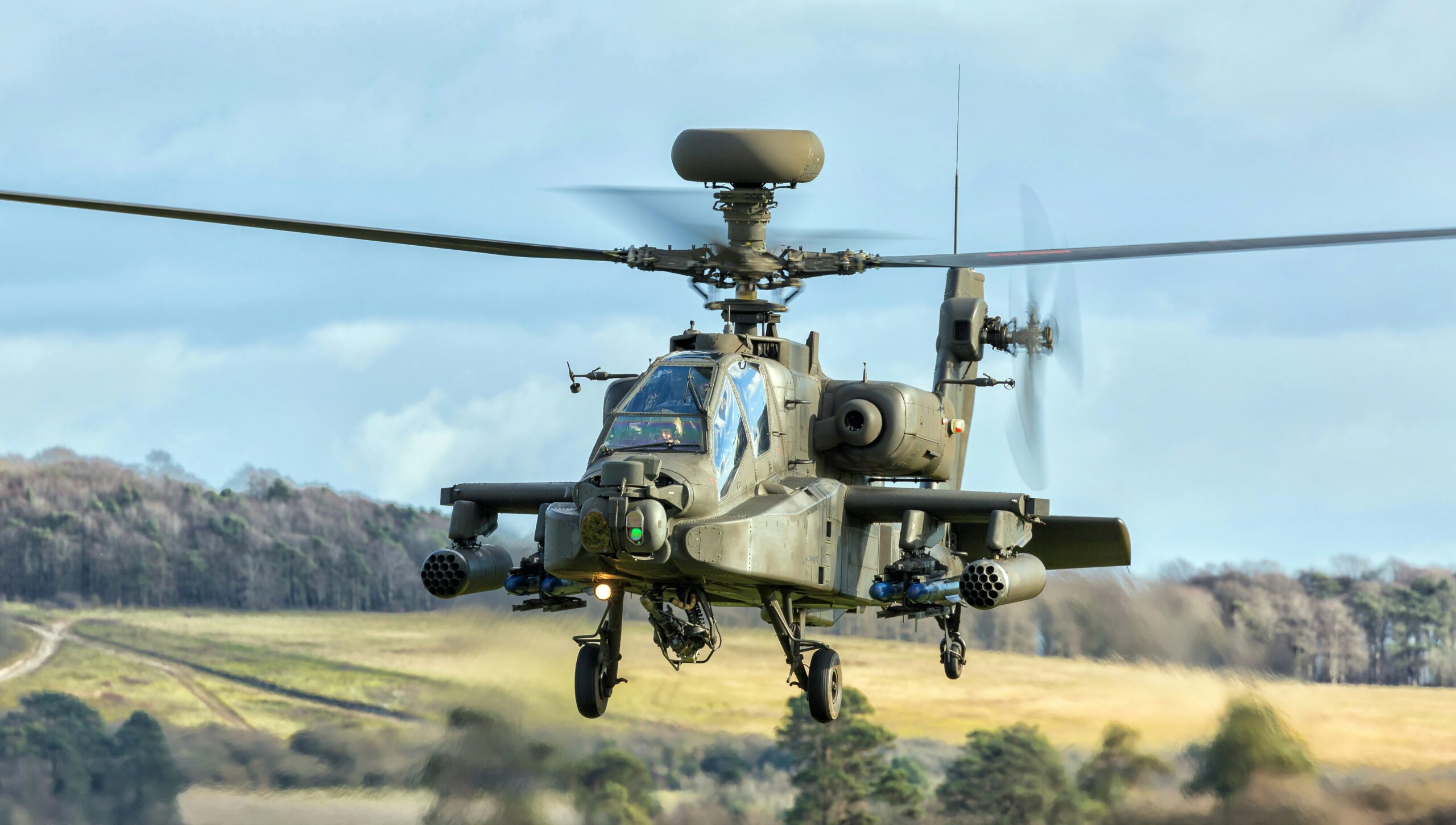
Germany will transform the Bundeswehr into Europe’s strongest conventional army, Chancellor Merz declared in May.
The government must solve personnel shortages through new military service and rapidly equip troops with modern weapons.
Berlin plans 154 major defense procurements from September 2025 to December 2026, spending up to €83 billion, mostly on European manufacturers.
Germany aims to reduce reliance on American arms, following a period of growing dependence.
US Arms Dependence and Risks
Josef Braml warns that buying US weapons created European dependence on American systems like the Patriot defense shield.
The US temporarily halted Patriot exports to prioritize domestic needs, exposing Europe’s vulnerability.
Europe lacks alternatives for some systems, including the F-35 stealth fighter, which remains unavailable from European suppliers.
Christophe Gomart suggested a “kill switch” could block the jets remotely, though German officials deny this feature exists.
Berlin continues its F-35 order, citing the absence of equivalent European fifth-generation aircraft.
Sovereignty in a Multipolar World
Pieter Wezeman notes NATO nations work to strengthen local defense industries and reduce import dependence.
Trump’s “America First” policy pressured Europe to increase defense spending and purchase US weapons.
Braml emphasizes true sovereignty requires self-reliance in weapons, spare parts, and software to avoid vulnerability.
Merz acknowledged Germany will remain dependent on the US “for a long time to come.”
Braml warns that Europe must become an independent pole in a multipolar world or risk strategic weakness.
Patent statistics highlight US technological dominance: 18,000 defense patents versus fewer than 12,000 across all EU states between 2015 and 2021.
Germany must take responsibility for its defense quickly; continuing reliance on Washington is no longer viable.
