


A global plan for nutrition and the environment
By 2050, every person could access nutritious, culturally appropriate food while reducing environmental damage. The 2025 EAT-Lancet Commission on Healthy Diets From Sustainable Food Systems presents a “planetary health diet” as a solution.
The report finds that combining this diet with sustainable agriculture and lower food waste could feed 9.6 billion people fairly. Researchers from over 35 countries contributed, showing global food-related greenhouse gas emissions could drop by more than half if nations act together.
Currently, roughly 30% of emissions come from food production, processing, and transport. Most of the rest comes from fossil fuels and deforestation for farmland.
What the planetary health diet promotes
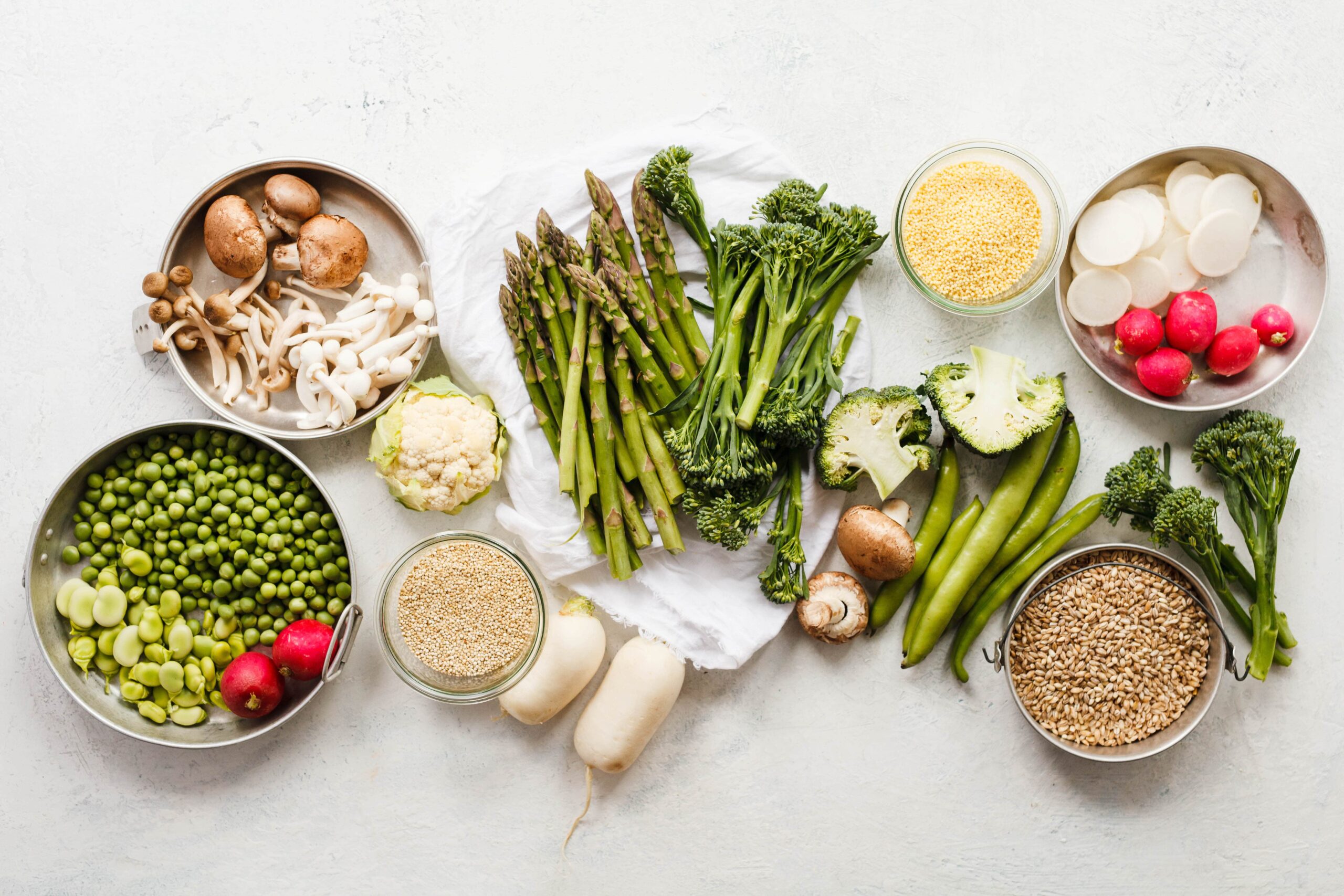
The diet focuses on fruits, vegetables, whole grains, legumes, and nuts. It allows moderate meat and dairy while limiting added sugar, salt, and saturated fat. “This diet protects both human health and the planet,” said Dr. Walter Willett of Harvard University.
He recommends one serving of dairy and one serving of animal protein per day, such as fish, poultry, or eggs. Red meat, including beef and pork, should be limited to a 4-ounce serving once a week. “It’s flexible, balanced, and similar to the Mediterranean diet,” Willett said.
Changing diets is only part of the solution
Johan Rockström, co-chair of the commission and director of the Potsdam Institute for Climate Impact Research, said dietary changes alone will not be enough. “We also need to reduce food waste and adopt sustainable land, water, and ecosystem management,” he said. “Healthy food must be affordable and accessible for all.”
Industry opposition and misinformation
The 2019 EAT-Lancet report estimated that a global adoption of the planetary health diet could prevent 11.6 million premature deaths annually. The 2025 update raises the estimate to 15 million. In the United States, about 31% of premature adult deaths could be avoided.
Transforming the food system could save $5 trillion annually by cutting health costs, restoring ecosystems, and slowing climate change. The investment required — $200 to $500 billion — is far smaller than the potential benefits.
Opposition has emerged from meat and dairy industries. Campaigns like #YestoMeat spread misinformation in 2019, and similar tactics have reappeared. “Some groups promote meat-heavy diets while downplaying livestock’s climate impact,” Willett said. “Our report relies on independent, global scientific evidence.”
Consequences if nothing changes
If current practices continue, agricultural emissions could rise 33% by 2050. Nearly 70% of ecosystems have already lost more than half of their natural areas, mostly to farming.
The planetary health diet could reduce food-related emissions by 60% compared with 2020 levels. Cattle numbers would fall by 26%, freeing 11% of grazing land. “This could prevent further deforestation in the Amazon,” Willett said.
Aquatic food production could increase by 46%, vegetables by 42%, fruits by 61%, nuts by 172%, and legumes by 187%. Global food prices could drop about 3%.
Building a fair and sustainable global food system
Christina Hicks of Lancaster University said the richest 30% of people cause more than 70% of food-related environmental damage. Fewer than 1% currently meet their food needs without harming nature.
The commission recommends shifting subsidies from meat and dairy to sustainable crops like fruits, vegetables, and legumes. Governments could also tax foods high in sugar, salt, or saturated fats while improving purchasing power so healthy diets remain affordable.
Willett added that many traditional plant-based diets already align with planetary health principles. “We are not prescribing a single global diet,” he said. “This approach respects cultural diversity and helps every region eat healthily while protecting the planet.”
