


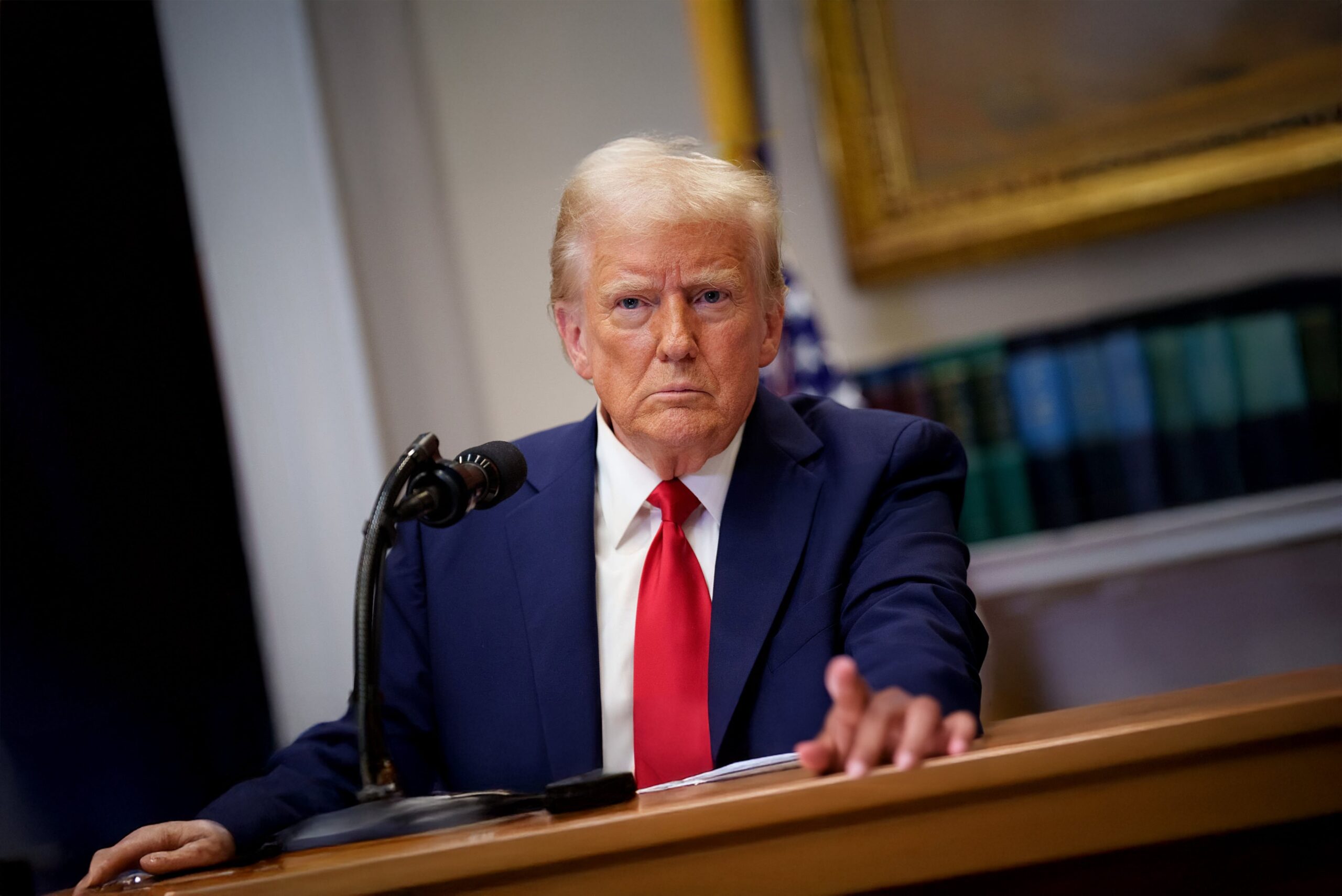
A surprise phone call between US President Donald Trump and Russian President Vladimir Putin on Thursday disrupted Ukrainian President Volodymyr Zelensky’s mission in Washington. The two leaders agreed to meet soon to discuss the war in Ukraine, catching Kyiv off guard and complicating Zelensky’s efforts to secure advanced US military aid.
The timing could not have been worse. Within 24 hours, Russia launched dozens of missiles and more than 300 drones across Ukraine. Civilian infrastructure suffered again, with gas pipelines damaged and power stations hit just as freezing temperatures arrive. Rolling blackouts now stretch across the country, signaling a harsh winter ahead.
Moscow’s attacks hide growing weakness
For Ukrainian officials, the new strikes reveal Russia’s mounting desperation. The frontlines remain largely static, with huge losses for minimal territorial gains. At the same time, Ukraine’s drone attacks on Russian oil depots continue to strain Moscow’s economy.
Zelensky had pinned high hopes on his visit to Washington. Before departure, he sounded confident, believing political momentum was turning in Ukraine’s favor. Some aides suggested Trump was beginning to see the conflict through Kyiv’s eyes—a major change from February’s tense Oval Office meeting, when Trump accused Zelensky of “gambling with World War Three.”
Tomahawk hopes hang in the balance
After the failed Trump-Putin summit in Alaska and Russia’s intensifying attacks, Kyiv believed Trump’s patience with his “good friend” was wearing thin. Ukrainian officials expected Friday’s White House talks to bring approval for long-range Tomahawk missiles.
Trump’s remarks had fueled optimism. “Do they want Tomahawks going in their direction? I don’t think so,” he told reporters. Experts cautioned that even if approved, missile deployment could take months due to logistical challenges.
Still, Tomahawks would give Ukraine a decisive advantage. They would allow strikes deep inside Russian territory and signal a major shift in US commitment.
Mid-flight call reshapes the agenda
The two-and-a-half-hour Trump-Putin phone call took place while Zelensky was flying to Washington. The timing overshadowed his planned diplomatic push.
Trying to project confidence, Zelensky said Russia was “rushing to renew dialogue” because of talk about Tomahawks. Analysts, however, saw a familiar Kremlin tactic. Moscow confirmed it had requested the call. Putin reportedly warned Trump that supplying Tomahawks would be a “serious provocation.”
The leaders also discussed what Russia called “colossal prospects” for trade if peace could be achieved. They agreed to meet in Hungary within two weeks. Trump later described the call as “very productive.”
Ukraine faces another harsh winter
As the war enters its fourth winter, few Ukrainians believe Trump can deliver peace. A woman injured in a Russian strike on a train carriage summed up the sentiment from her hospital bed: “A person like Putin can’t be trusted.”
After arriving in Washington, Zelensky met with US defense company executives producing the advanced weapons Ukraine urgently needs. He will still request Tomahawks, but chances now appear far slimmer than before the call.
The recurring cycle of persuasion
Each time Trump grows frustrated with Putin, a single phone call seems to calm him. Moscow repeatedly softens his stance, delaying tougher sanctions or stronger weapons deliveries.
The upcoming Hungary summit, offered without conditions, does not signal a major shift in US patience. For now, Ukraine’s hopes for long-range missiles are fading. Instead of a breakthrough, Zelensky faces a diplomatic setback—delivered not by artillery, but by a phone line.
