


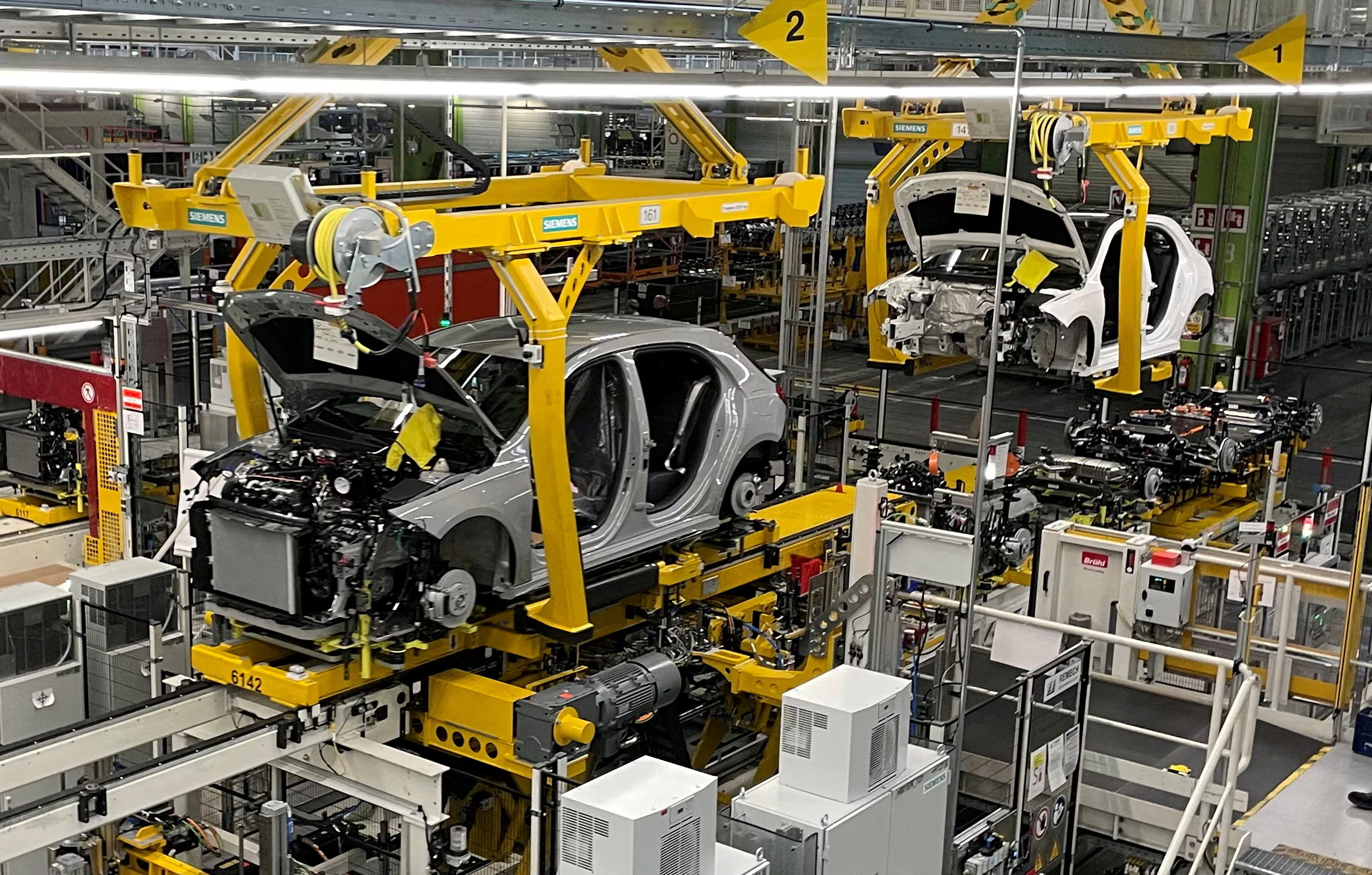
U.S. business spending in manufacturing is showing resilience, as orders for non-defense capital goods, excluding aircraft, unexpectedly rose 0.6% in August. The data indicates that companies are continuing to invest in equipment and infrastructure, signaling confidence in future production capacity and business growth.
Non-defense capital goods orders are widely regarded as a forward-looking measure of business investment. Increases in these orders suggest that companies are preparing to expand operations, upgrade machinery, or enhance production efficiency. Analysts see the August rise as a positive signal for both the industrial sector and broader economic activity.
The unexpected gain in orders highlights the strength of U.S. manufacturers despite ongoing challenges such as supply-chain disruptions and global economic uncertainty. Equipment investment is crucial for maintaining competitiveness, supporting productivity, and ensuring that businesses can meet future demand efficiently.
Economists note that steady capital goods spending often precedes higher industrial output and job creation. Companies investing in machinery and equipment today are positioning themselves to produce more goods tomorrow. This can contribute to overall economic growth, reinforcing the resilience of the manufacturing sector.
The rise in orders for non-defense capital goods excluding aircraft demonstrates that firms are prioritizing investments in operational and production capacity. These investments can include machinery, technology upgrades, and infrastructure improvements, all of which enhance long-term efficiency and competitiveness.
Investor sentiment also benefits from strong capital goods orders. When businesses signal continued investment, markets often interpret this as a sign of confidence in economic conditions and corporate performance. This, in turn, can support stock valuations and provide companies with better access to capital for future projects.
The August increase comes amid broader economic trends where companies are cautiously expanding despite uncertainty in other parts of the economy. Positive readings in capital goods orders suggest that firms see opportunities for growth and are willing to commit resources to maintain or increase production.
Industries driving these gains include manufacturing, industrial machinery, and technology equipment. Companies in these sectors are responding to both domestic and international demand, investing in tools and systems that enhance production and efficiency. The result is a healthier industrial base and stronger business confidence.
Analysts emphasize that capital goods orders are an important indicator for policymakers and business leaders. Steady or increasing orders suggest that companies are planning for growth, which can influence economic forecasts, labor demand, and supply-chain management. Monitoring these trends provides insight into future economic performance.
The report also signals potential benefits for productivity and innovation. Equipment investments can lead to faster production, higher-quality output, and adoption of new technologies such as automation and AI-driven manufacturing systems. These improvements strengthen the competitiveness of U.S. businesses in global markets.
The 0.6% rise in August orders, though modest, reflects a positive trend after periods of uncertainty. It shows that companies remain committed to investing in the tools and infrastructure necessary to meet future demand. This type of spending often has a multiplier effect, benefiting suppliers, logistics providers, and related industries.
In addition to supporting productivity, resilient capital goods investment can have broader economic implications. It encourages hiring, improves industrial efficiency, and helps businesses prepare for expansion in both domestic and international markets. Analysts believe continued growth in this sector is a sign of underlying economic stability.
Overall, the unexpected increase in non-defense capital goods orders excluding aircraft demonstrates the strength and resilience of U.S. business investment. It signals that companies are confident in future demand and willing to allocate resources to support long-term growth. This trend is an encouraging indicator for policymakers, investors, and business leaders planning for continued economic expansion.
Steady capital goods orders help maintain momentum in industrial output and support broader economic health. As companies continue to invest in machinery, technology, and infrastructure, the outlook for productivity and growth remains positive, reinforcing confidence in the U.S. manufacturing sector and the overall economy.
