


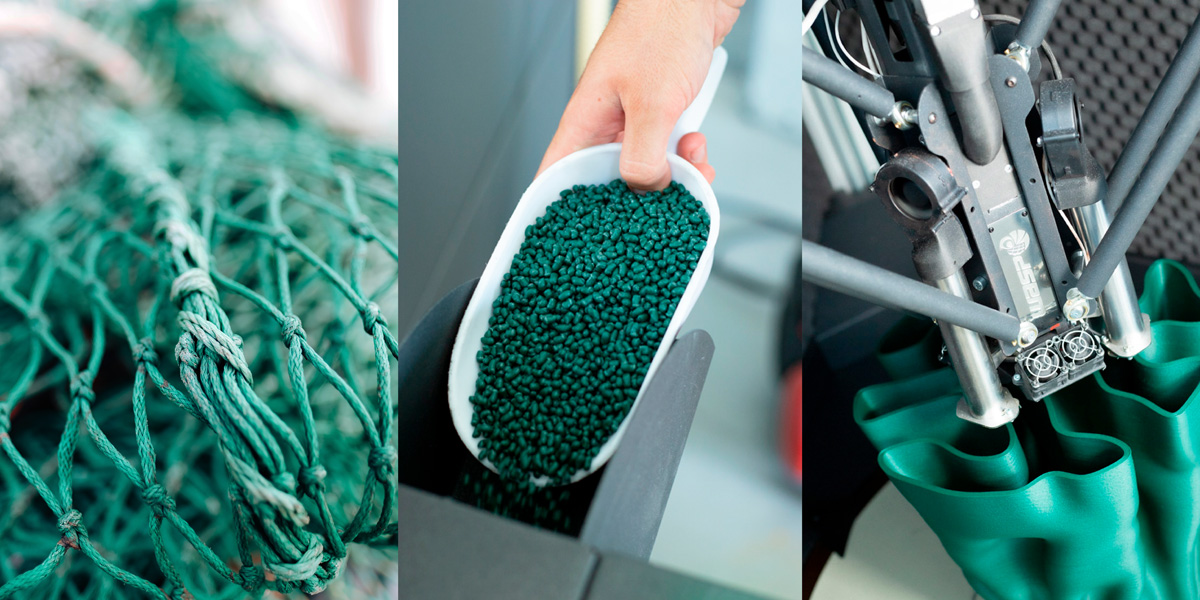
Innovative technology is giving new life to discarded fishing nets by turning them into 3D printer filament. This approach not only promotes recycling but also helps reduce plastic pollution in oceans worldwide.
Fishing nets, often abandoned or lost at sea, contribute to massive marine debris. Known as “ghost nets,” they entangle wildlife and damage ecosystems. Repurposing these nets into usable filament offers a practical solution to this environmental problem.
The process begins by collecting plastic nets from coastal regions and fisheries. The nets are cleaned, shredded, and melted to create durable filaments suitable for 3D printing. The resulting material is strong, versatile, and suitable for a wide range of printing projects.
Manufacturers say the recycled filament performs comparably to traditional 3D printing materials. It can be used to produce household items, prototypes, art, and even construction components. By reusing plastic that would otherwise pollute the ocean, the technology supports both innovation and environmental protection.
Environmental experts praise the initiative. “Repurposing plastic fishing nets reduces the pressure on marine ecosystems while supporting sustainable manufacturing,” said a marine conservationist. “It’s a win-win for technology and the environment.”
Several pilot programs have been launched to collect and process discarded nets. Coastal communities and local fisheries participate by supplying used nets, creating economic opportunities and encouraging sustainable practices among fishermen.
Educational institutions are also getting involved. Schools and universities use the recycled filament in 3D printing labs, teaching students about circular economy principles, recycling, and eco-friendly technology. Students gain hands-on experience while learning how innovation can solve environmental problems.
The technology aligns with broader efforts to combat ocean plastic pollution. Millions of tons of plastic enter oceans annually, harming marine life and ecosystems. Transforming discarded nets into usable material helps divert waste from oceans and landfills.
Companies producing the recycled filament are exploring partnerships with 3D printing industries, designers, and eco-conscious consumers. By promoting products made from repurposed plastic, they hope to create a sustainable market while raising awareness about marine conservation.
Social media campaigns highlight the impact of the initiative. Videos showing the transformation of ghost nets into 3D-printed objects have gone viral, inspiring public support and encouraging other regions to adopt similar practices.
Research indicates that recycling plastic nets can have a measurable effect on marine biodiversity. Removing nets from waterways prevents entanglement of fish, birds, and marine mammals, while repurposing the material reduces the need for virgin plastics in manufacturing.
Local governments and environmental organizations see potential for scaling up the program. Expanding collection points, increasing processing facilities, and promoting community engagement could significantly reduce plastic waste in coastal areas.
The recycled filament also supports innovation in sustainable design. Artists, engineers, and inventors are using the material to create functional and decorative items, proving that eco-friendly resources can compete with traditional plastics in both quality and creativity.
This initiative demonstrates the power of combining technology and environmental responsibility. By turning a harmful waste product into a valuable resource, communities, businesses, and innovators contribute to a cleaner ocean and a more sustainable future.
As interest in the technology grows, more regions are expected to adopt the practice. The recycled fishing net filament serves as an inspiring example of how creativity and environmental awareness can work together to address one of the world’s most pressing challenges.
The project shows that even discarded materials can have a second life. By embracing recycling, innovation, and sustainable practices, society can reduce pollution, conserve marine life, and create opportunities for greener industries.
