


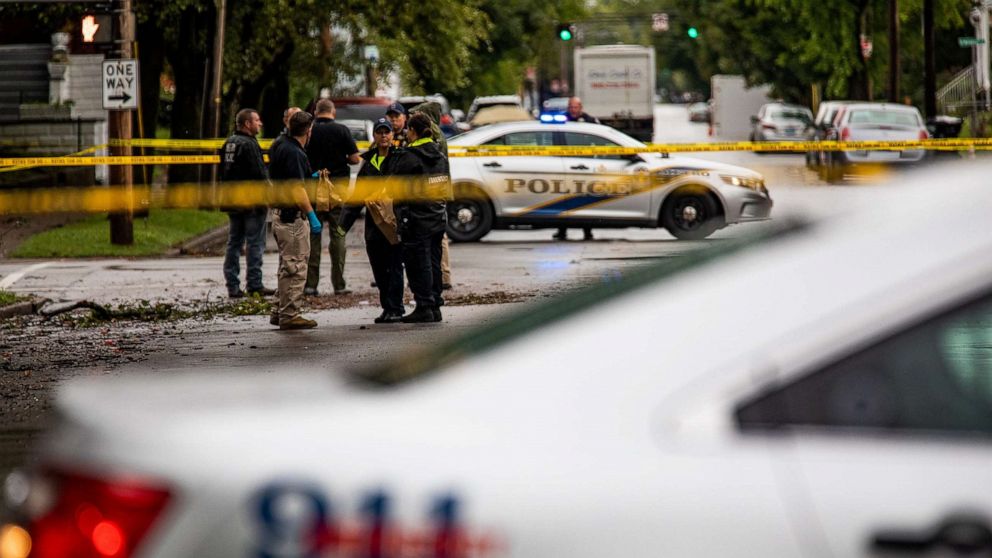
Major U.S. cities such as Los Angeles, San Francisco, and Houston are now reporting more traffic-related deaths than homicides, according to recent public-health data. The trend has raised concerns about urban road safety and the need for preventive measures.
Officials said the increase in traffic fatalities reflects multiple factors, including higher vehicle speeds, distracted driving, and infrastructure challenges. Pedestrians, cyclists, and drivers alike face increased risks in densely populated areas.
Los Angeles has seen a steady rise in traffic deaths despite ongoing safety campaigns. City planners are emphasizing improvements to crosswalks, traffic signals, and road design to protect vulnerable road users.
In San Francisco, city officials note that efforts to reduce pedestrian fatalities are complicated by heavy traffic congestion and growing numbers of delivery vehicles. Programs focusing on safe streets, Vision Zero initiatives, and public awareness campaigns are being expanded.
Houston has also reported rising traffic deaths, surpassing homicides for the first time in recent years. Officials attribute the trend to a combination of urban sprawl, high-speed roads, and inconsistent enforcement of traffic laws.
Public-health experts stress that traffic fatalities are now a significant urban health concern, rivaling violent crime in terms of mortality risk. The shift underscores the need for coordinated city planning, stricter enforcement, and public education.
Research indicates that many traffic deaths involve preventable factors, such as driving under the influence, texting while driving, and unsafe road conditions. Addressing these issues requires collaboration between transportation departments, law enforcement, and community organizations.
Pedestrian safety is a key focus in cities experiencing this trend. Sidewalk improvements, pedestrian-only zones, and traffic-calming measures aim to reduce fatalities and encourage safer mobility for all residents.
Experts also call for broader adoption of vehicle safety technologies, including automatic braking, lane departure warnings, and speed monitoring systems, to help mitigate the growing risk of traffic deaths.
The rising number of traffic fatalities compared with homicides highlights a shift in urban public-health priorities. Officials urge communities to advocate for safer streets, responsible driving, and effective policies to protect all road users.
By acknowledging traffic fatalities as a leading cause of death in major U.S. cities, policymakers hope to implement long-term strategies that reduce risk, improve infrastructure, and save lives.
