


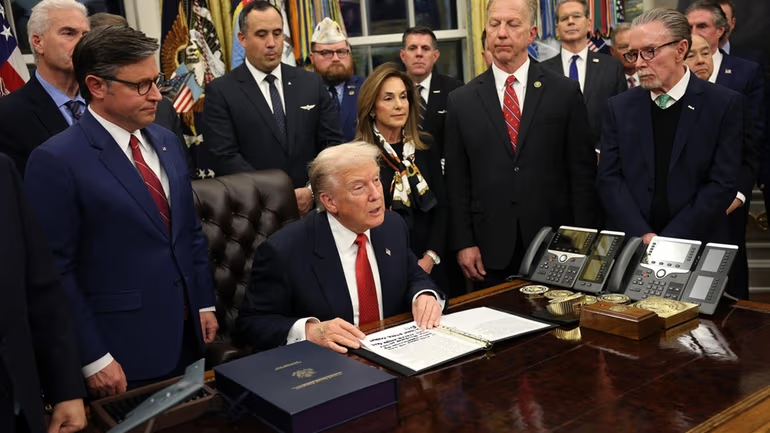
The longest U.S. government shutdown in history came to an end after 43 days. President Donald Trump signed a new funding bill that restores pay and job protections for hundreds of thousands of federal employees.
The shutdown had left many government workers without paychecks. Agencies across the country faced delays and disruptions, affecting services from national parks to security operations. With the new bill, federal employees will now receive back pay for the weeks they missed.
Federal workers expressed relief at the news. Many had struggled to meet bills and support their families during the shutdown. Local businesses near government offices also felt the impact, as employees had less money to spend in the community.
The funding bill passed after negotiations in Congress. Lawmakers agreed on measures to reopen the government while discussing long-term funding solutions. Analysts say the deal is temporary, but it allows essential services to resume.
Key agencies affected included the Transportation Security Administration, the Internal Revenue Service, and the Department of Homeland Security. These departments had limited operations during the shutdown, causing delays for travelers, taxpayers, and security programs.
Government leaders emphasized the importance of avoiding future shutdowns. They said the disruption had shown how critical consistent funding is to maintaining public services. Experts warn that long shutdowns can reduce trust in government and slow economic growth.
The end of the shutdown also has a positive impact on national morale. Citizens nationwide expressed relief on social media, celebrating the return of government services. Public officials encouraged federal workers to return to their duties quickly and safely.
Economic analysts estimate that the 43-day closure cost billions of dollars in lost productivity and delayed services. Federal employees are now set to receive back pay, which will provide some relief to households affected by the closure.
President Trump highlighted the importance of moving forward and called on lawmakers to prevent similar shutdowns in the future. Political observers note that shutdowns often result from disagreements over funding priorities, which can create challenges for both the administration and Congress.
The shutdown’s end allows government programs and operations to function normally once again. National parks reopened, public services resumed, and federal agencies began addressing the backlog of work caused by the closure.
Federal workers are encouraged to return to their offices immediately. Agency leaders plan to review staffing needs and ensure employees can resume normal duties without further delay.
This funding deal serves as a reminder of the critical role government employees play in daily life. Their work ensures the smooth functioning of public services, from safety and security to administration and public assistance.
The resolution of the shutdown is expected to restore public confidence in government efficiency. While temporary solutions have been put in place, ongoing discussions about long-term funding and policy priorities will continue in Congress.
