


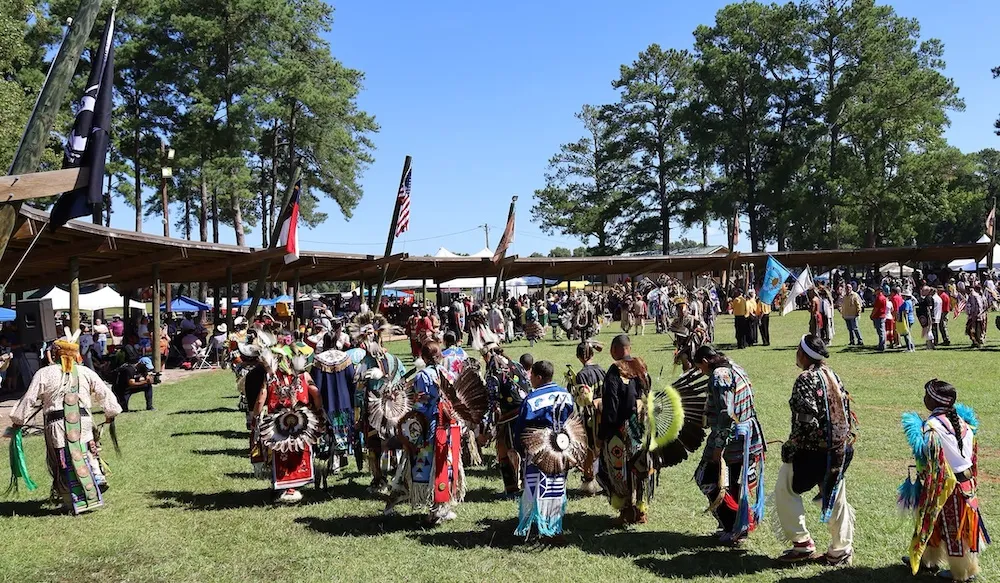
The draft 2026 National Defense Authorization Act (NDAA) released by Congress includes a provision granting federal recognition to the Lumbee Tribe of North Carolina. The legislation also allows the Secretary of the Interior to place tribal land in trust, creating a framework for long-term support for the tribe.
Federal recognition would officially acknowledge the Lumbee Tribe as a sovereign entity. This status opens the door to federal funding, healthcare services, and greater control over tribal lands. For decades, the Lumbee have sought recognition, and the inclusion in the NDAA represents a major step forward.
The land-trust provision allows the Secretary of the Interior to hold land for the tribe’s benefit. Land held in trust can be used for community development, housing, and cultural preservation. This ensures the tribe has secure resources to manage and sustain its lands over time.
Supporters in Congress note that the measure not only honors the Lumbee Tribe’s long history but also provides practical benefits. “This legislation provides the tribe with stability and the tools needed for future growth,” said a congressional aide familiar with the bill.
Federal recognition would also make the tribe eligible for programs run by the Indian Health Service, federal education grants, and economic development initiatives. Advocates say these resources could significantly improve healthcare, education, and economic opportunities for the Lumbee community.
The NDAA is primarily a defense spending bill, but it frequently includes provisions affecting tribes and domestic policy. Including the Lumbee recognition provision shows growing bipartisan support for acknowledging the tribe’s status and needs.
Experts say federal recognition is a transformative step for the Lumbee Tribe. It strengthens the tribe’s voice in federal matters and allows for better planning and management of resources. Land in trust status ensures that the tribe can preserve cultural heritage while pursuing development projects.
Some critics express concern over costs and setting precedents for other tribes. However, proponents argue the long-term social and economic benefits outweigh short-term expenditures. They emphasize that the Lumbee Tribe meets the historical and cultural criteria for recognition.
The NDAA provision also signals broader federal support. By combining recognition with land-trust authority, Congress is creating a clear framework for the tribe to grow sustainably and manage its lands effectively.
Tribal leaders have expressed optimism about the legislation. They view it as a milestone that could provide decades of stability, funding, and access to vital services. “Federal recognition and land trust status are essential for our people’s future,” said a Lumbee spokesperson.
If passed, the provision would enable the tribe to plan long-term projects, including housing, schools, healthcare facilities, and cultural programs. It also ensures the tribe can maintain autonomy over its lands and governance.
The draft NDAA is expected to undergo debate in Congress, but early indications suggest strong bipartisan interest. Lawmakers are emphasizing the importance of supporting tribal communities and honoring their histories.
This legislation reflects decades of advocacy by the Lumbee Tribe and supporters. Federal recognition, coupled with land-trust authority, represents a historic opportunity to secure resources, services, and rights for future generations.
