


2026 starts with political and economic shocks
The year 2026 opened amid intense uncertainty. President Donald Trump threatened decisive action against Iran. The warning followed US forces capturing Venezuela’s leader. His administration launched a criminal investigation into the Federal Reserve chair. Officials also targeted major profit drivers at banks and institutional investors. These moves rattled markets worldwide.
Equities remain steady despite turmoil
Investors expected a sharp stock selloff. That decline never came. Traders largely ignored the political chaos. US stock indexes reached record highs early in the week. Prices later dipped only slightly. Equity markets showed resilience despite mounting geopolitical and economic risks.
Metals surge as investors seek protection
Investor concern shifted to metals. Silver jumped over six percent on Wednesday. Prices broke above 90 dollars an ounce. Silver is up 29 percent in 2026. That follows a 141 percent gain in 2025, its strongest year since 1979.
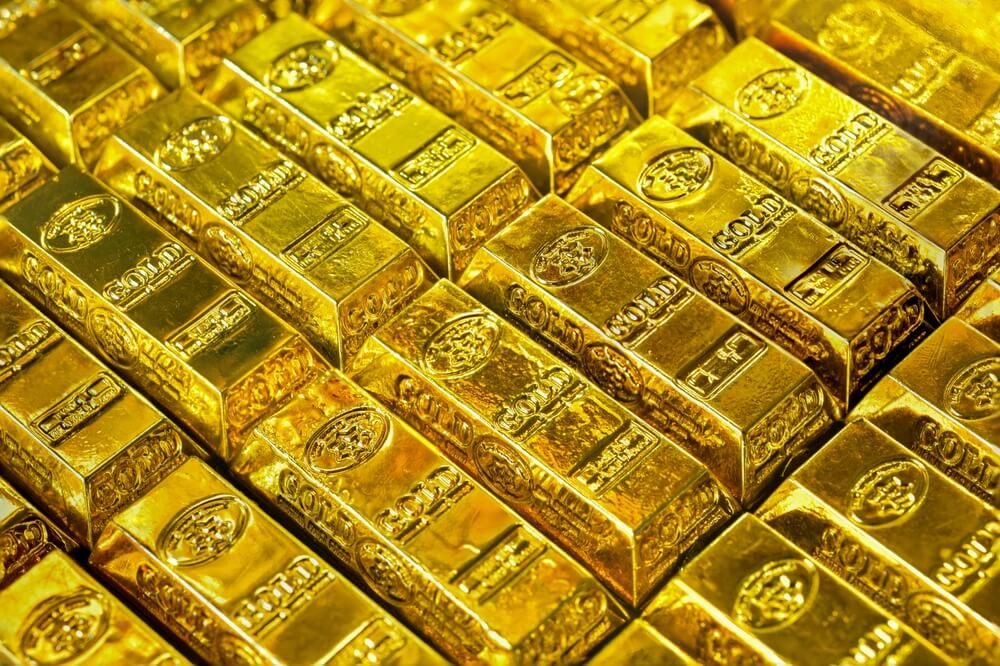
Gold also climbed. Prices rose nearly one percent on Wednesday. Gold traded above 4,600 dollars per troy ounce. The metal gained 22 percent so far this year. In 2025, gold surged 65 percent, its best year since 1979.
Industrial metals also advanced. Tin, copper, aluminum, lithium, and zinc all posted gains in 2026.
Safe-haven demand fuels the rally
Gold remains a favored refuge for investors. Buyers use it to hedge inflation and deficits. Geopolitical tension strengthens its appeal. Economic uncertainty pushes investors toward tangible assets, boosting metals demand further.
Metal prices jumped after US strikes in Venezuela. They rose again after Trump escalated threats against Iran. Widespread crackdowns on protesters added to investor anxiety.
Federal Reserve instability adds momentum
Metals gained additional support from central bank developments. Federal Reserve Chair Jerome Powell confirmed he faces a criminal investigation. Investors feared political interference. Concerns over the Fed’s independence heightened economic uncertainty. Short-term rate cuts could support stocks briefly. Long-term risks include lost credibility and renewed inflation.
These concerns revived the “Sell America” trade. US Treasuries and the dollar fell. Rising deficit worries increased metals’ appeal. Capital leaving other markets made gold and silver more attractive.
Strong demand supports higher prices
Industrial demand added further pressure. China expanded exports despite rising tariffs. Its trade surplus reached record levels. That growth boosted demand for metals used in electronics and technology.
Artificial intelligence fueled additional demand. Expanding data centers required more metals. Technology infrastructure growth continues to drive industrial metals higher.
Rising costs threaten consumers
Higher metals prices could soon impact households. These materials appear in countless consumer goods. Oil prices remain low but are rising alongside other commodities. That trend threatens to increase living costs.
“Bottom line, we see serious industrial metal inflation,” analyst Peter Boockvar wrote. He warned the next Federal Reserve chair will face a significant policy challenge.
