


SpaceX and xAI Redefine Musk’s Empire
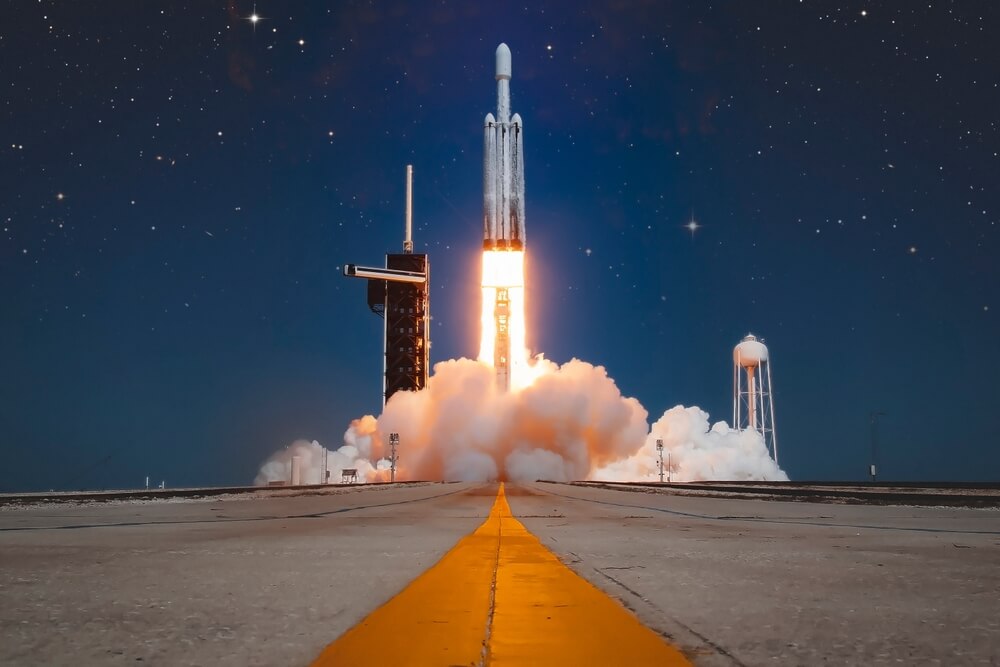
Elon Musk’s SpaceX has reached a $1.25 trillion (€1.06tn) valuation following its merger with AI company xAI, bringing it much closer to Tesla’s market cap of $1.58 trillion (€1.34tn). The deal reshapes the balance of power in Musk’s portfolio, with the billionaire now deriving a larger share of his wealth from space and AI ventures than from his electric car business.
Tesla Faces Slowing Growth and Strategic Shifts
Tesla’s stock has fallen about 6% so far this year after reporting a 16% decline in early January vehicle deliveries and a 3% drop in annual revenue for 2025 — the company’s first annual decrease. Pressure from growing competition in Europe and China, along with the end of U.S. federal EV tax credits, has strained Tesla’s core business. Political controversies involving Musk have also affected the brand.
In response, Tesla is pivoting toward new ventures like robotaxi services and its Optimus humanoid robots. The company plans to discontinue Model S and X production, which contributed less than 3% of deliveries in 2025, repurposing those lines for robotics development.
Dominance in Space, but Regulatory Risks Loom
SpaceX continues to hold a leading position in orbital launch services, with major contracts from NASA and the U.S. Department of Defense, while its Starlink satellite network now serves around nine million customers with over 9,000 satellites in orbit. The merger values SpaceX at $1 trillion (€847bn) and xAI at $250 billion (€212bn). Musk envisions developing space-based data centers to mitigate energy constraints on Earth, though technical and financial challenges make near-term rollout unlikely.
The merger, however, introduces potential risks. xAI is under regulatory scrutiny in Europe, India, Malaysia, and the U.S. following concerns over its Grok image generator producing explicit deepfake content. French authorities also raided X’s offices over alleged algorithmic abuse. Legal experts warn that such issues could spill over to SpaceX, particularly as Starlink operates globally. While these risks are easier to manage privately, a public listing could test investor confidence in the company’s valuation amid regulatory and political uncertainties.
