


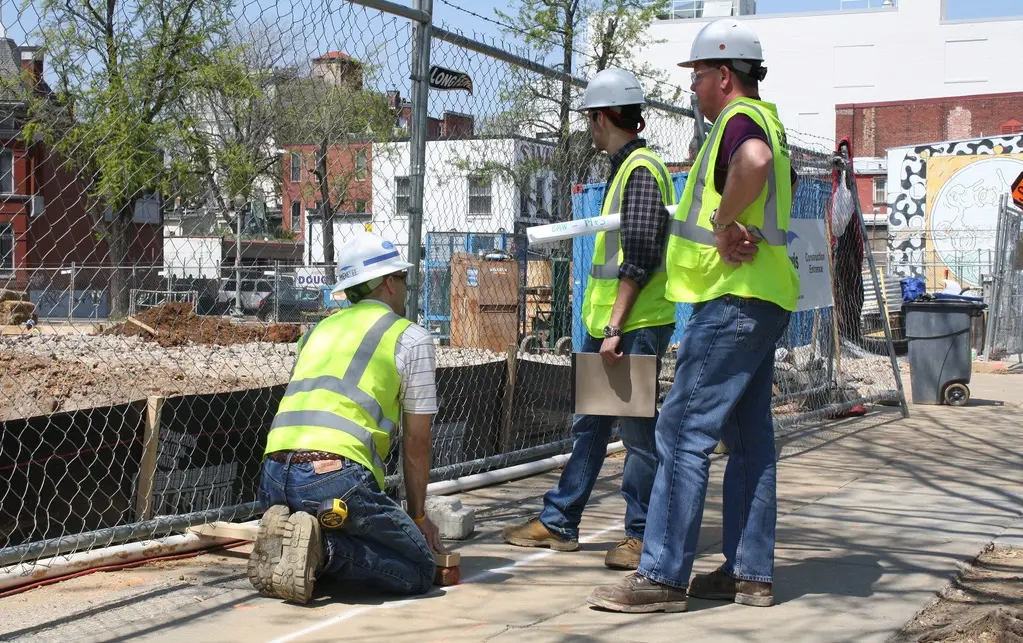
Brooklyn is experiencing a record-breaking construction boom, with Downtown Brooklyn emerging as a hotspot for new housing. In 2025, the area set a record for the number of units completed, highlighting strong development momentum heading into 2026.
Developers have been moving quickly to meet demand for residential units in this vibrant borough. The surge in construction reflects both high housing demand and investors’ confidence in Brooklyn’s long-term growth. Real estate analysts note that the influx of new units is transforming the skyline and adding modern apartment buildings that attract both renters and buyers.
The increase in housing stock is expected to have ripple effects across the local economy. More construction jobs have been created, supporting workers and boosting related industries. At the same time, new residential buildings encourage retail and service growth, providing opportunities for small businesses and improving neighborhood amenities.
While the record number of units signals robust development, experts caution that rising construction activity must be balanced with infrastructure and community planning. Public transportation, schools, and public spaces need to keep pace with the rapid growth to maintain quality of life for residents. City planners are closely monitoring the trends to ensure sustainable development.
Investors and homebuyers are watching Brooklyn closely, as strong demand continues to drive property values. The construction boom suggests that more people are choosing to live in Downtown Brooklyn, attracted by new amenities, convenience, and modern housing options. Analysts believe this trend will continue through 2026, reinforcing Brooklyn’s status as a key urban hub for residential growth.
Despite the rapid expansion, developers are also exploring ways to include affordable housing in their projects. Balancing high-end units with more accessible options is becoming an important focus for both policymakers and the real estate industry. Affordable housing programs aim to provide opportunities for a broader range of residents while maintaining the area’s growth trajectory.
The construction boom in Brooklyn also reflects broader trends in urban development across major U.S. cities. High-demand neighborhoods are seeing similar surges in residential projects, driven by population growth, investment interest, and strong rental and housing markets. Brooklyn’s record year serves as a leading example of how urban centers can combine housing development with economic and community growth.
As 2026 unfolds, Downtown Brooklyn is expected to see continued construction activity, with additional residential units and mixed-use developments planned. Real estate professionals anticipate that the combination of record-building, high demand, and strategic development will sustain Brooklyn’s housing market growth, benefiting both new and existing residents.
