


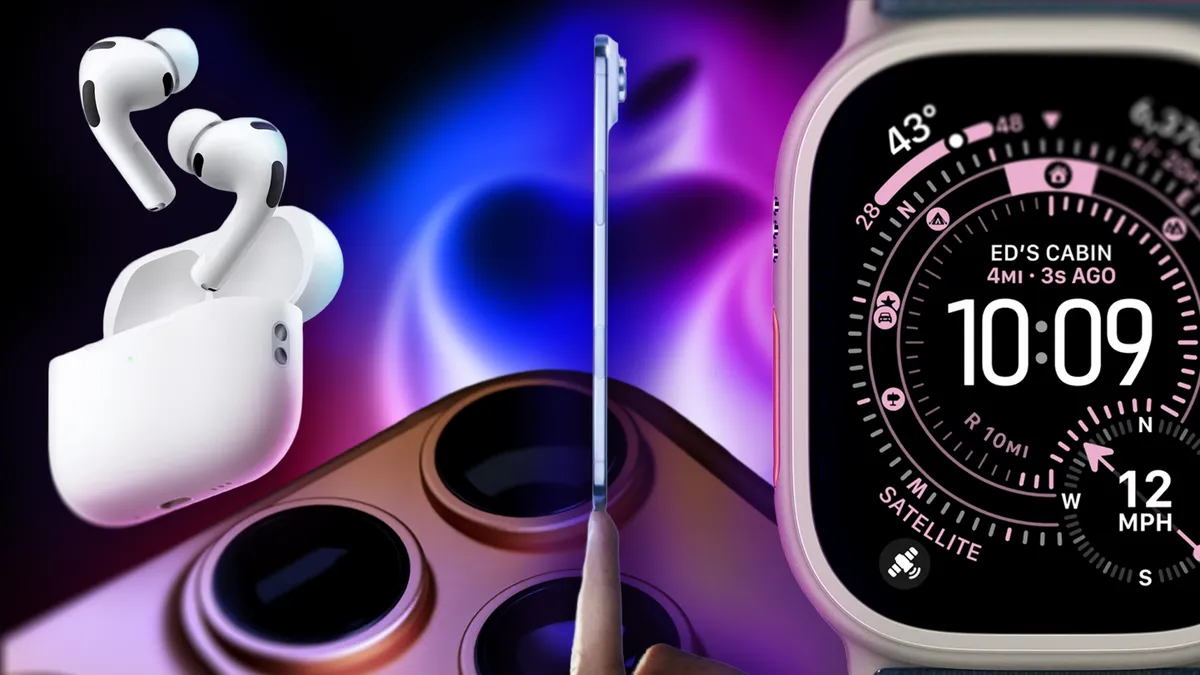
Apple has unveiled its latest products in a high-profile September event, introducing the iPhone Air, AirPods 3, and new Apple Watches. The event, described by the company as “awe-dropping,” highlighted updates across phones, wearables, and software.
The spotlight was on the new iPhone 17 lineup, including the standout iPhone Air. The Air model features a slimmer design while keeping the performance upgrades of its bigger siblings. Apple also introduced the latest Apple Watches: Series 11 and Ultra 3, which come with improved sensors, battery life, and fitness tracking features.
AirPods Pro 2, Apple’s two-year-old earbuds, received a refresh. The new version promises better sound quality, longer battery life, and more intelligent noise cancellation.
Alongside the hardware releases, Apple announced updates for its device operating systems. iOS 26 for iPhones and WatchOS 26 for Apple Watches have been in public beta throughout the summer. Both platforms feature subtle design improvements, including the Liquid Glass interface. While these changes may look familiar, Apple emphasized smoother performance and a more intuitive user experience.
The company touched briefly on artificial intelligence, an area that has seen slower progress than expected. AI-driven features were mentioned in passing, especially improvements tied to the new A19 Pro processor, which boasts increased neural processing power. Despite past events focusing heavily on AI, this year’s presentation kept mentions limited.
Apple also hinted at potential smart home integration. During the iPhone Air introduction, the company suggested upcoming features that could expand connectivity across Apple devices, but no detailed announcements were made.
The September launch follows Apple’s established pattern of combining multiple device updates in a single showcase. By releasing phones, watches, and earbuds together, Apple ensures a comprehensive ecosystem for users who rely on interconnected devices.
Analysts note that the iPhone Air may attract a broader audience due to its lighter design and affordable price relative to the Pro models. The slimmer form factor appeals to users who prefer a compact device without sacrificing performance.
The Series 11 and Ultra 3 watches build on Apple’s focus on health and fitness. Series 11 targets everyday users with new features such as enhanced heart rate monitoring, while Ultra 3 aims at outdoor enthusiasts and athletes, offering more robust durability and extended battery life.
AirPods 3 improve on the company’s commitment to audio quality and convenience. The earbuds now include adaptive sound control, longer battery duration, and better connectivity with Apple devices, reinforcing the brand’s lead in wireless audio.
Software updates also play a crucial role in the new ecosystem. iOS 26 introduces improved notifications, better app management, and enhanced privacy features. WatchOS 26 allows for more seamless interaction with iPhones and added health-focused apps. Together, they provide a cohesive experience across devices.
Despite the limited discussion of AI, Apple continues to integrate machine learning subtly across its products. Features like predictive typing, photo organization, and fitness recommendations benefit from the improved A19 Pro processor.
Overall, Apple’s latest event confirms its strategy of incremental upgrades across hardware and software. The iPhone Air, AirPods 3, and new watches combine design, performance, and usability, while software updates ensure the devices operate efficiently and intuitively.
