


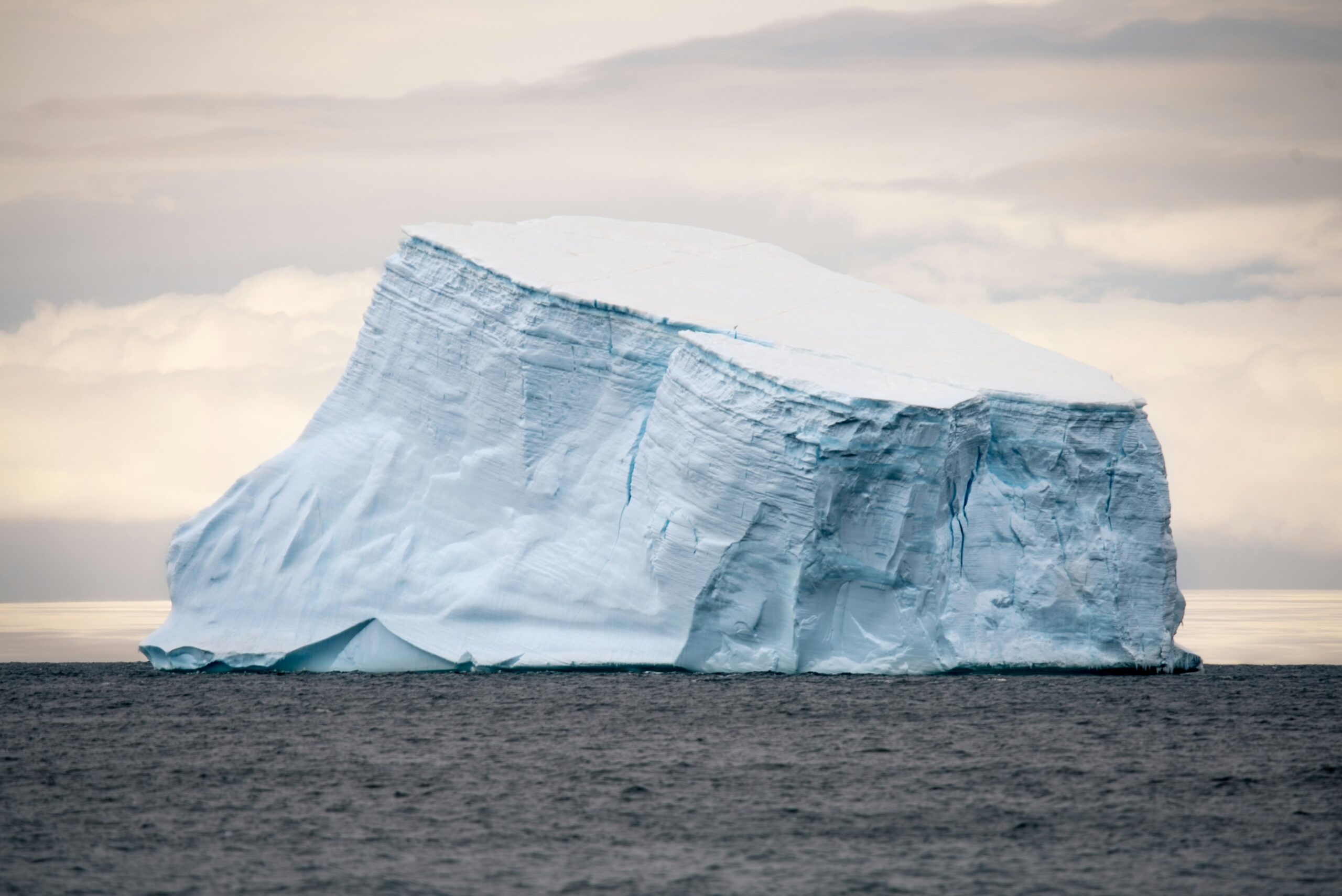
For nearly 20 years, Arctic sea ice has shown little overall decline, despite rising global emissions and temperatures.
Scientists anticipated faster melting, yet natural climate variations, especially shifting ocean currents, seem to have temporarily slowed the retreat.
They caution the slowdown will end. Within five to ten years, ice melt is expected to accelerate, possibly at double speed.
Evidence of Ongoing Decline
September sea ice remains only half the size recorded in 1979, when satellite measurements of the Arctic first began.
Experts warn this pause should not be misinterpreted as recovery. Ice-free summers remain likely this century, with severe global consequences.
Melting ice exposes darker waters that absorb more sunlight, increasing heat trapped in the Arctic and fueling further climate instability.
Lead researcher Mark England explained this reprieve may buy time, but it does not signal any long-term improvement.
Research Supports Temporary Pause
Scientists examined decades of measurements alongside thousands of climate model runs. They found such pauses occur naturally but never persist.
Every simulation predicted melting would resume, often at a quicker pace, confirming the downward trend in Arctic sea ice.
Ice volume also continues to shrink. Since 2010, October thickness has decreased by around 0.6 centimeters each year.
This mirrors earlier “pauses” in global temperature rise, during which Earth kept storing heat before warming accelerated again.
Call for Urgent Response
Experts stress the climate crisis remains human-driven and dangerous. The brief slowdown changes nothing about the need for immediate action.
They warn misinterpretation of results could provide climate skeptics with misleading arguments and weaken determination to act.
