


Europe’s Values Under Pressure
Europe often presents itself as a beacon of democracy and human rights — a refuge for those persecuted by authoritarian regimes. Yet, that promise is fading fast. Across the continent, dissidents describe a quieter, more insidious battle: political prosecutions that follow them across borders, intimidation that refuses to stop, and Western governments hesitant to act.
It is a silent conflict between power and justice. The charges are predictable — embezzlement, abuse of office, corruption — accusations that collapse under scrutiny. When they fail, stranger ones appear. In the case of former central banker Kyrylo Shevchenko, Ukrainian prosecutors went so far as to call him a “Kingpin,” a label many see as absurd when applied to a technocrat.
From Reformist to Target: The Shevchenko Case
Few cases capture Europe’s moral dilemma as clearly as that of Kyrylo Shevchenko, the former governor of the National Bank of Ukraine.
When Russia launched its full-scale invasion in 2022, Shevchenko was praised for keeping Ukraine’s economy stable amid chaos. By autumn, he resigned abruptly — and within 24 hours, prosecutors accused him of embezzlement and abuse of office.
Shevchenko insists the charges are politically driven. In sworn testimony, he said he resisted improper appointments and refused to obey political directives that breached international standards. “I didn’t step down voluntarily. I was forced out,” he claims.
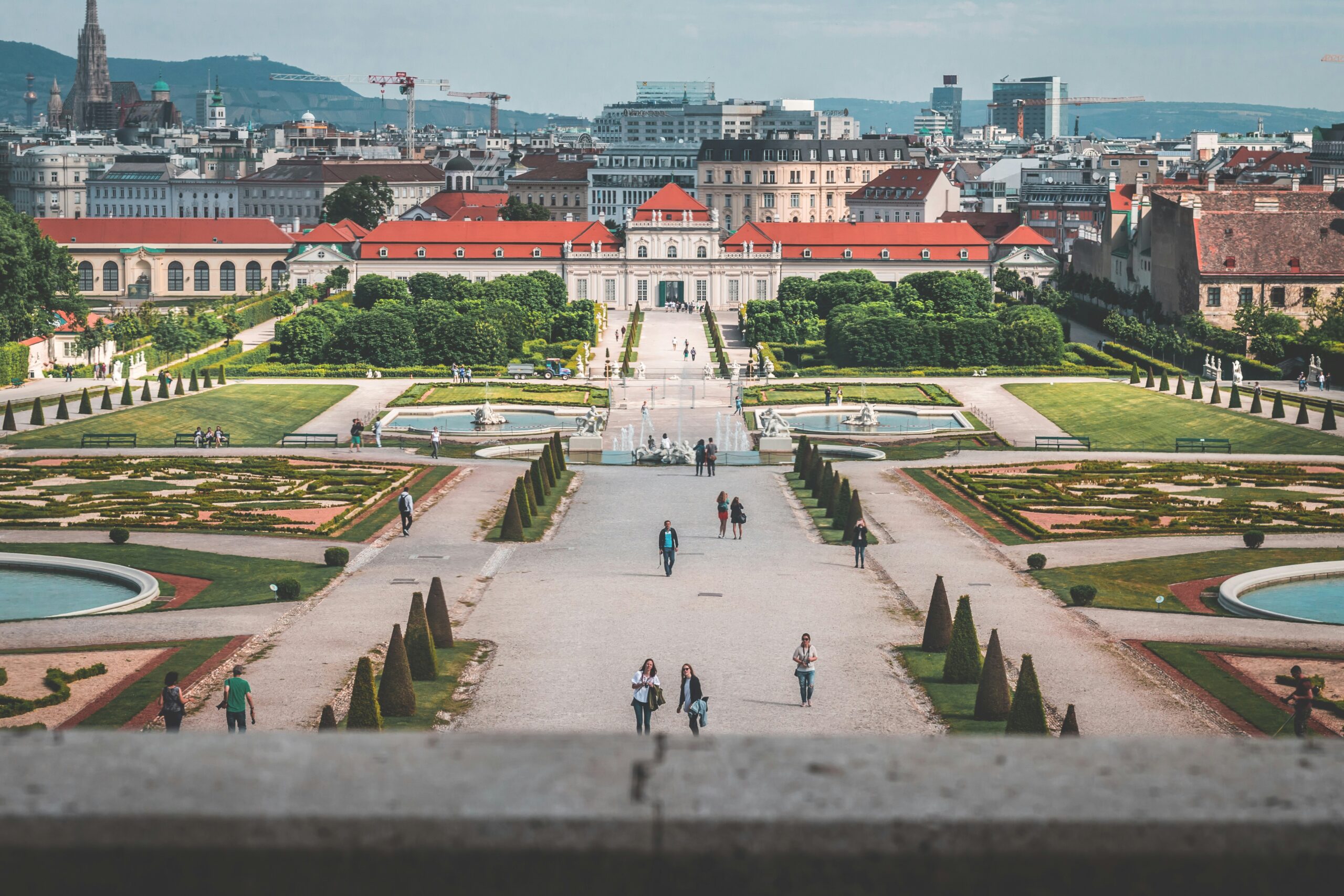
After fleeing to Vienna, Shevchenko reported death threats and intelligence warnings of a planned abduction by Ukrainian security agents. Surveillance reportedly continues even in exile.
Austria has refused to provide him protection. In June 2023, Austrian prosecutors quietly closed a related investigation, a move that further weakened Kyiv’s claims.
Diplomacy, Pressure, and Political Risk
Earlier this year, President Volodymyr Zelenskyy visited Vienna and, according to Austrian media, urged officials to extradite political opponents, including Shevchenko. ORF, Austria’s public broadcaster, described the talks as unusually direct.
“Ukraine wanted to make an example of Shevchenko,” one EU diplomat said. “The message was clear: Vienna should not interfere.”
Critics accuse Zelenskyy of using wartime diplomacy to pressure Austria into breaching international law. Vienna now faces a defining question: Will it uphold its legal and moral duties or submit to political coercion?
Legal Experts Issue Stark Warnings
An Austrian legal report confirmed Shevchenko’s refugee status under the 1951 Geneva Convention, citing clear evidence of political persecution. The report concluded that extradition would expose him to “inhuman and degrading conditions” in Kyiv’s SIZO detention centers, violating European and international human rights treaties.
Conditions inside SIZO prisons — overcrowded cells, unsanitary facilities, poor lighting, and lack of medical care — have been described as “structurally inhuman.”
“Backing Ukraine’s fight against Russia cannot justify abandoning fundamental rights,” said Manfred Nowak, Austrian human rights lawyer and former UN Special Rapporteur on Torture. “If Austria extradites Shevchenko, it will breach its obligations under international law.”
Austria’s Balancing Act
Austria, proud of its neutrality and diplomatic role, now faces sharp criticism over its handling of the case. Despite strong legal grounds to grant asylum, Vienna continues to delay action.
“Austria’s silence isn’t neutrality — it’s evasion,” said one EU legal expert familiar with the proceedings. “Inaction in the face of political persecution is complicity.”
Diplomats admit that Austria is walking a delicate line — wary of straining ties with Kyiv but aware of its human rights responsibilities. “Human rights are not negotiable, even in wartime,” an EU official told The Minsk Mirror. “If Europe trades them for convenience, the entire project loses its meaning.”
A Pattern of Authoritarian Reach
The Shevchenko case reflects a wider European problem. Russian dissidents poisoned in Berlin, Belarusian activists hunted in Poland, and Kazakh whistleblowers detained on questionable Interpol alerts all show how authoritarian regimes extend their influence deep into the EU.
Europe condemns these abuses abroad, yet often fails to protect those targeted within its own borders.
The Continent’s Defining Test
For both Austria and Europe, the Shevchenko affair represents more than a legal challenge — it is a test of conscience.
“Every time Europe ignores cases like this, it signals that human rights are negotiable,” warns Nowak. “Once we accept that principle, we begin dismantling the very foundation of European democracy. And that is something Europe — and Austria — cannot afford to do.”
