


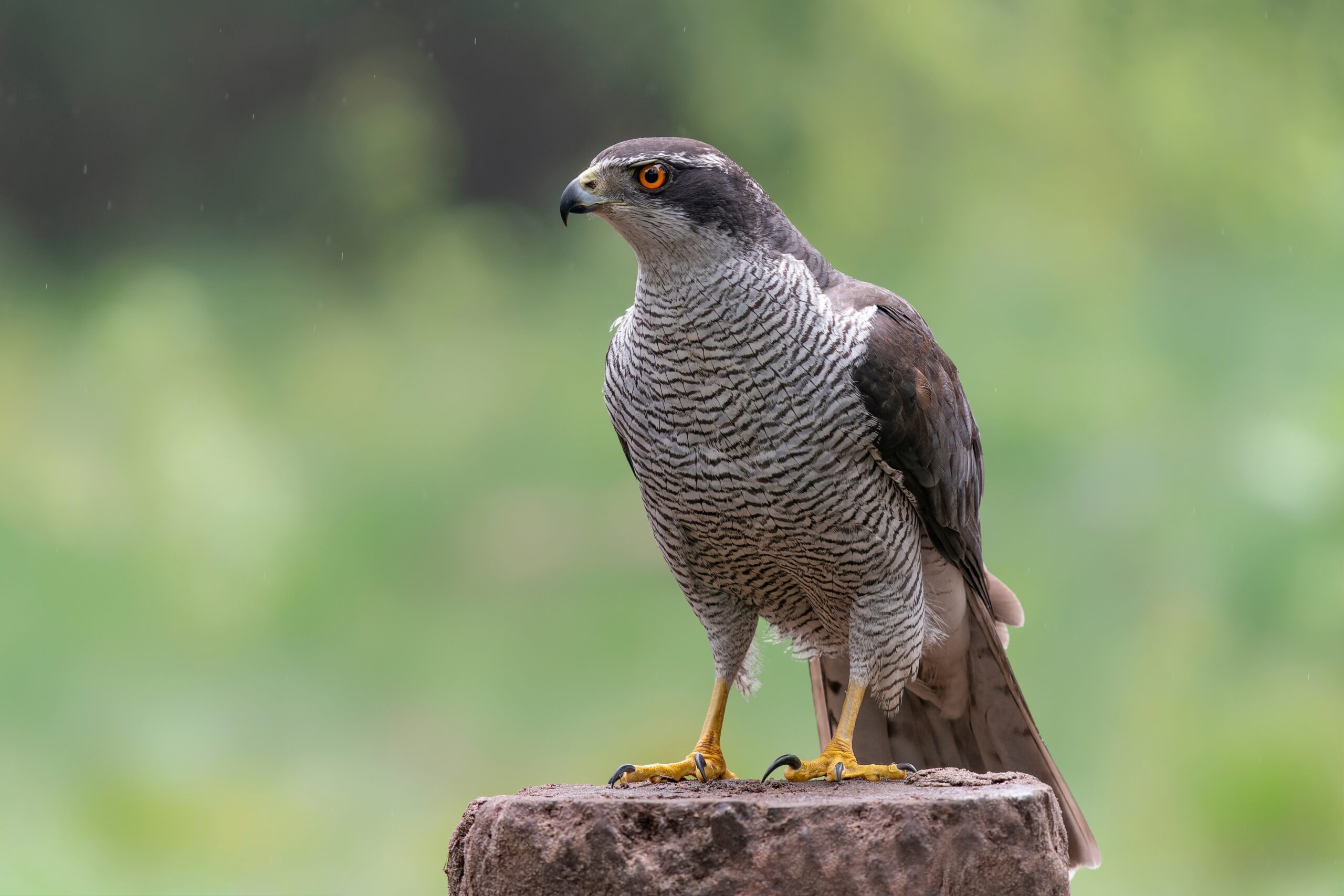
Berlin’s thriving population of goshawks could soon provide the model for a bold conservation experiment in Britain. Dr Paul O’Donoghue of Rewilding UK plans to release 15 northern goshawks each in Chester and London, sourcing chicks from wild European nests and UK breeders.
Once persecuted to near extinction in the UK, the apex predator has adapted well to urban life in cities such as Berlin, Amsterdam, and Prague, where it hunts pigeons and coexists with people in busy parks. O’Donoghue believes the raptor could restore balance to urban ecosystems in Britain by preying on crows, magpies, and jackdaws, whose unchecked numbers threaten smaller garden birds.
The project will soon be submitted to Natural England for approval. If given the go-ahead, the goshawks will be fitted with GPS trackers, with around half of the £110,000 budget allocated to monitoring. Supplemental feeding will be provided until the birds are fully established.
Scientists, however, urge caution. Manuela Merling de Chapa, who has tracked goshawks in German cities, warned that rural-bred chicks may struggle to adapt to urban settings. Ian Henderson of the British Trust for Ornithology questioned whether the proposed number of releases could have a meaningful impact, suggesting many of the birds may disperse into the countryside.
Despite the doubts, O’Donoghue is optimistic. Having previously advised on the reintroduction of the great bustard to the UK, he insists welfare-focused rewilding projects can succeed. For him, the chance to see a top predator like the goshawk soaring above urban parks would not only aid biodiversity but also inspire public enthusiasm.
“It’ll inject such excitement,” he said. “People won’t just go to parks to feed pigeons – they’ll go to watch goshawks.”
