


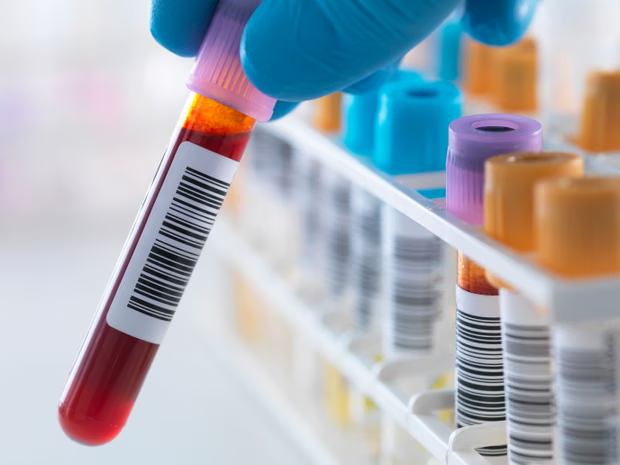
Scientists have developed the first accurate blood test for Chronic Fatigue Syndrome (CFS), a condition that affects millions worldwide and often goes undiagnosed. The new test is expected to transform the way the disease is identified and treated, providing clarity for patients who have struggled with symptoms for years.
Chronic Fatigue Syndrome, also known as myalgic encephalomyelitis (ME), causes severe fatigue, sleep problems, and cognitive difficulties that are not relieved by rest. For decades, diagnosis relied heavily on patients’ self-reported symptoms, leading to delays and misdiagnoses. The newly developed blood test uses specific biomarkers to detect the presence of the disease with high accuracy.
Researchers involved in the study say the test can identify patterns in blood that are unique to CFS patients. These biomarkers provide measurable signs of the condition, allowing doctors to diagnose patients objectively. Scientists believe this breakthrough could also accelerate the development of new treatments and improve patients’ quality of life.
“This blood test represents a major step forward in CFS research,” said one of the lead scientists. “For the first time, we can confirm a diagnosis with concrete evidence rather than relying solely on symptom checklists.”
The discovery comes after years of research and analysis of thousands of blood samples from both CFS patients and healthy individuals. Researchers used advanced techniques to identify molecular changes associated with the disease, leading to a test that can differentiate between CFS and other fatigue-related illnesses.
Experts emphasize that early diagnosis is crucial. Many patients live with symptoms for years without knowing the cause, which can lead to worsening health and emotional distress. With the new test, healthcare providers can start targeted interventions sooner, potentially reducing the impact of the disease.
The implications of the test extend beyond diagnosis. By identifying precise biomarkers, researchers hope to uncover the underlying biological mechanisms of CFS. This could pave the way for more effective therapies and potentially preventative strategies in the future.
Patient advocacy groups have welcomed the news, highlighting how long-awaited this development is. Many individuals with CFS experience skepticism from healthcare professionals and society due to the lack of objective diagnostic tools. The test may finally validate their experiences and help remove stigma surrounding the condition.
While the test marks a significant advancement, researchers caution that it is just one part of the solution. Continued research is necessary to fully understand CFS, improve treatments, and ensure the test is widely available in clinical settings. They hope that with further validation, the test will become a standard part of routine care for patients suspected of having CFS.
The blood test is expected to undergo regulatory review and, if approved, could be available to doctors within the next few years. Healthcare providers and patients are optimistic that this tool will lead to faster, more reliable diagnoses and improved care for those affected.
This development represents a major milestone in the medical community’s understanding of Chronic Fatigue Syndrome. By providing a reliable method to diagnose the disease, scientists are offering hope to millions who have suffered in silence, potentially transforming both the clinical approach and the lives of patients worldwide.
