


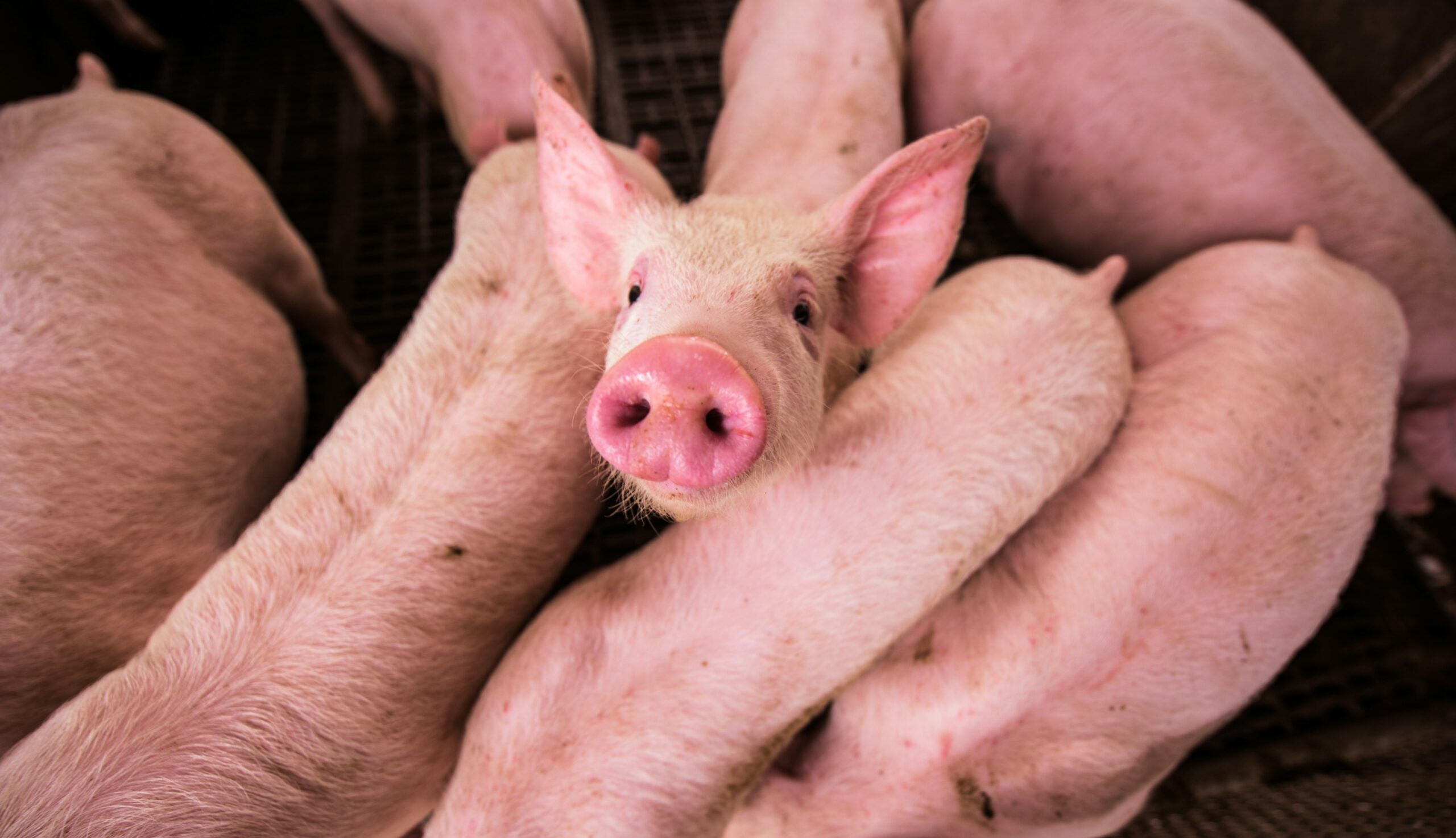
Surgeons in China have successfully transplanted a genetically modified pig lung into a brain-dead human recipient for the first time, with the organ functioning for nine days. The procedure is part of ongoing research in xenotransplantation, a technique aimed at addressing the global shortage of donor organs. According to the World Health Organization, only around 10% of the global demand for organ transplants is currently being met.
The lung, sourced from a Chinese Bama Xiang pig with six genetic modifications, was implanted into a 39-year-old male recipient. Researchers reported that the lung avoided hyperacute rejection and showed no signs of infection over 216 hours. However, fluid buildup and progressive antibody-mediated damage occurred despite strong immunosuppressive treatment, highlighting the challenges of lung xenotransplantation.
Challenges in Lung Xenotransplantation
Experts stress that the results are promising but represent an incremental step rather than a breakthrough. Lungs are particularly difficult to transplant due to their constant exposure to environmental pathogens and pollutants, making them highly sensitive to immune reactions. Andrew Fisher of Newcastle University noted that the recipient’s remaining natural lung likely compensated for some of the damage to the pig lung.
Peter Friend from Oxford University added that brain death itself can trigger acute inflammation, complicating interpretation of the results. Continued research is needed to refine genetic modifications, improve immunosuppressive strategies, and enhance long-term graft survival.
The Path Forward
Xenotransplantation has also seen progress with hearts, kidneys, and livers, though living human recipients have often survived only weeks or months post-transplant. Alternative approaches are being explored, such as reconditioning marginal human lungs for transplant, remodeling donor organs with stem cells, and even growing humanized organs in pigs or sheep.
While the field holds promise, experts emphasize that further work is required before pig lungs can be safely used in living patients, making incremental advances critical for addressing the global organ shortage.
