


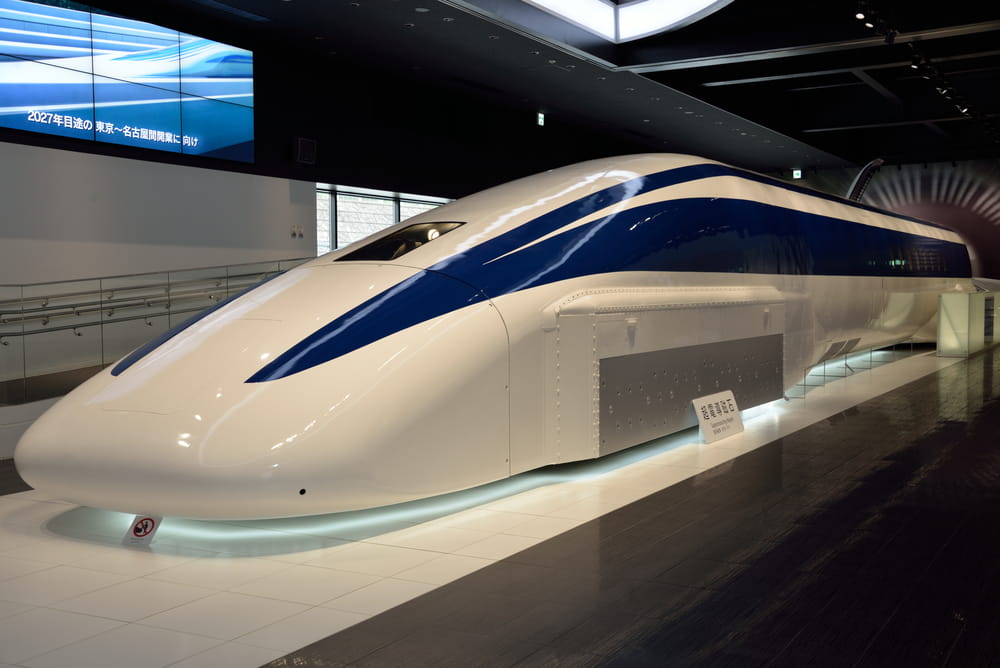
Japan is developing the L0 Series, a magnetic-levitation train that could reach 603.5 km/h, making it the fastest in the world. Built by Central Japan Railway Company, it would far exceed China’s Shanghai Maglev (460.2 km/h) and Europe’s fastest services, such as France’s TGV and Italy’s AGV Italo (306–354 km/h).
The L0 Series will operate on the Chuo Shinkansen, cutting travel between Tokyo and Nagoya to about 40 minutes, with a future extension to Osaka. The project has already cost roughly £52bn (€59.9bn) and, after delays, is now expected to open in the mid-2030s.
Despite the headline speeds, experts doubt Europe will adopt similar trains soon. Maglev systems need entirely new, tunnel-heavy infrastructure, consume far more power, and carry fewer passengers than conventional high-speed trains. European rail markets also prioritise comfort, capacity and scenic travel, limiting demand for ultra-fast, point-to-point services outside a few business routes.
In short, while Japan’s maglev could redefine domestic travel, its arrival in Europe remains unlikely for now.
