


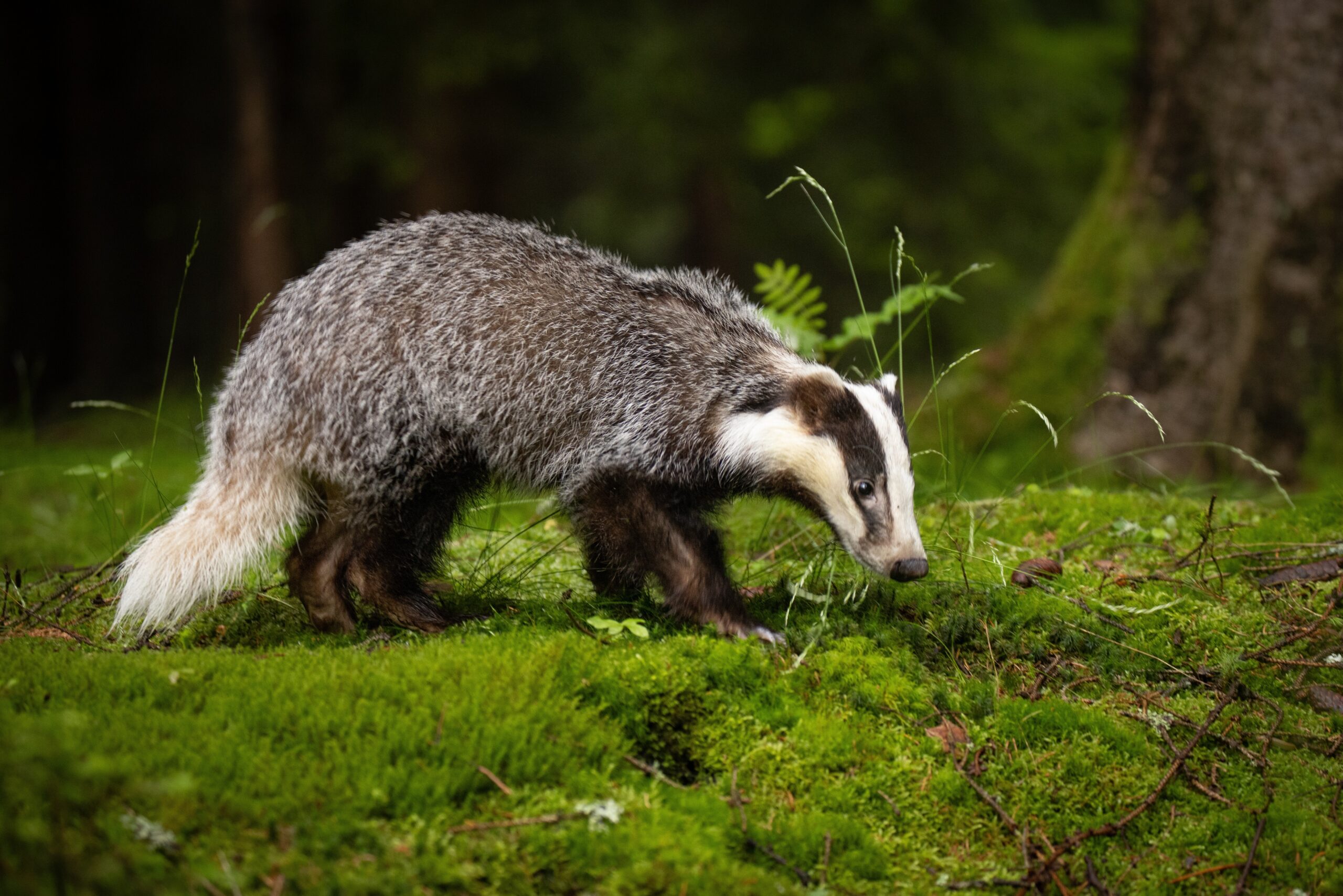
Labour’s plan to end badger culling by 2029 is achievable but would require a major increase in testing and vaccination, according to a government-commissioned report.
The review, led by Sir Charles Godfray, warns that without greater investment, ministers have only a “small chance” of eradicating bovine tuberculosis (bTB) in England by 2038. The disease costs around £150m annually, and more than 210,000 badgers have been killed since the cull began in 2013.
Godfray said badgers can transmit bTB to cattle but stressed that ending the cull is possible through non-lethal measures. Recommendations include microchipping cattle to track movements, expanding vaccination for both cattle and badgers, and using more accurate blood tests alongside the standard skin tests.
“There is a threat from badgers and if we are going to move away from a cull we need to move towards non-lethal control,” Godfray said. “Vaccination is a realistic way to stop bovine TB in badgers but considerable work will have to be done to scale it up. We saw during Covid-19 how things can move faster when there is real focus on the disease. We want the same approach here.”
Scientists behind the report noted that underinvestment in Defra and local authorities is hindering bTB control and warned that investing now would save money in the future.
Farming minister Daniel Zeichner welcomed the report, highlighting a record year of badger vaccinations in 2024 and plans to deploy a new vaccinator field force and develop cattle vaccines. A comprehensive strategy to eradicate bTB by 2038 is expected next year.
