


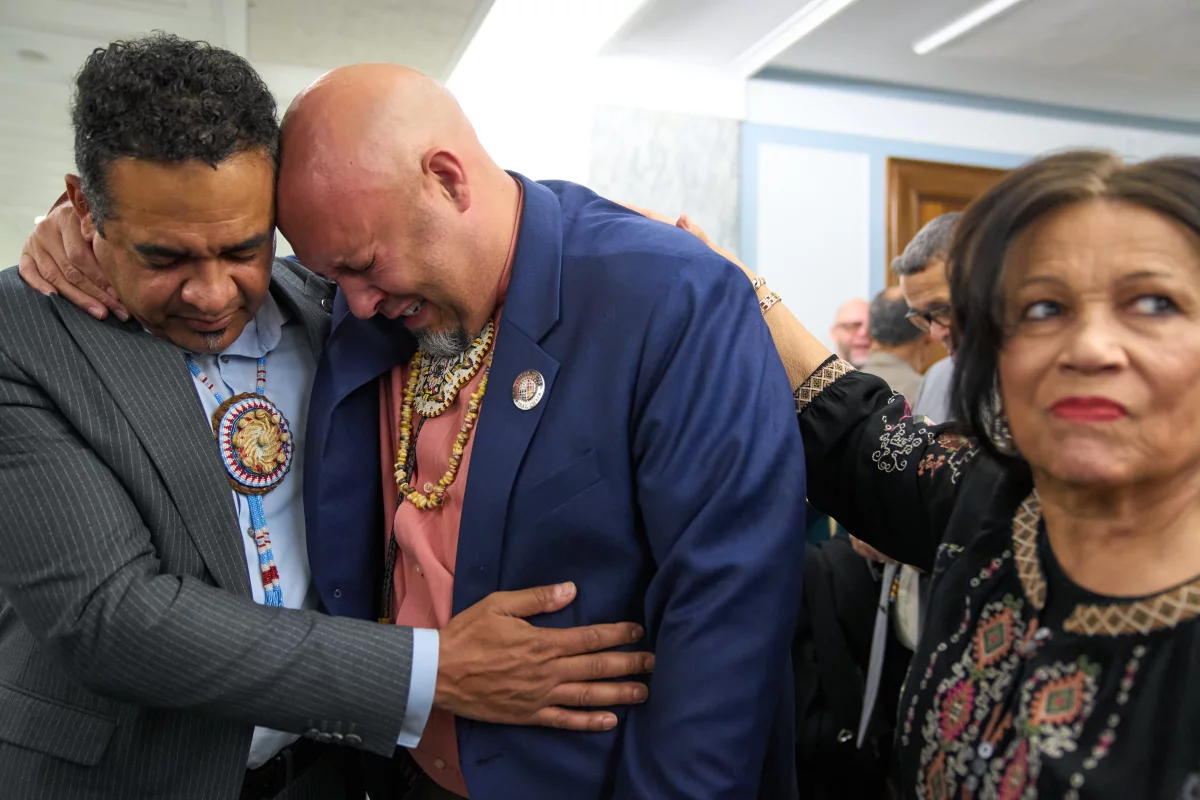
The Lumbee Tribe of North Carolina has won full federal recognition, a milestone that ends decades of struggle for equal rights and access to benefits. This move allows the tribe to receive federal support for healthcare, education, and housing programs previously unavailable to its members.
Lawmakers hailed the recognition as a historic step in addressing long-standing inequalities faced by the tribe. The Lumbee people, who number around 55,000, have lived in the region for centuries, maintaining their cultural traditions and community ties despite being overlooked by previous federal legislation.
Federal recognition provides tribes with official acknowledgment by the U.S. government, granting them access to federal services, the ability to operate under tribal law, and eligibility for financial assistance. For the Lumbee, this status opens doors to programs that can improve healthcare access, educational opportunities, and economic development.
The journey to recognition was long and complex. Previous efforts to secure federal acknowledgment faced numerous setbacks in Congress, often blocked by political disagreements or concerns over costs. Despite these challenges, the Lumbee persisted, drawing support from lawmakers, tribal leaders, and advocates for Indigenous rights.
Experts say that federal recognition is not just symbolic. It provides practical benefits, including eligibility for federal grants and programs tailored to improve living standards in tribal communities. For many Lumbee families, this recognition promises a better quality of life, from healthcare services to educational funding.
The Lumbee’s fight reflects broader issues faced by Native American tribes across the country. While some tribes have long been recognized and receive federal support, others like the Lumbee had to fight for decades to secure equal status. Advocates say that recognition can help preserve culture, strengthen community infrastructure, and give tribes a voice in federal decisions affecting their lands and people.
Tribal leaders celebrated the announcement as a validation of their history and perseverance. They emphasized that recognition is a step toward justice, acknowledging the Lumbee’s contributions and presence in North Carolina for generations.
“This is more than a policy change,” said a tribal spokesperson. “It is an acknowledgment of our people, our culture, and our rights as a Native American community.”
Congressional leaders noted that the recognition aligns with broader efforts to address past injustices and ensure all tribes have equal access to federal resources. The decision was supported across party lines, reflecting widespread acknowledgment of the Lumbee’s long-standing claims and community resilience.
With federal recognition, the Lumbee Tribe can now plan initiatives to expand educational programs, improve healthcare facilities, and create economic opportunities on tribal lands. These programs are expected to benefit not only current members but future generations, helping preserve the tribe’s identity and culture.
Observers say this achievement may also encourage other tribes still seeking federal acknowledgment. The Lumbee example demonstrates that persistent advocacy, community organization, and political support can eventually overcome long-standing obstacles.
While challenges remain in implementing programs and ensuring funding reaches all tribal members, the Lumbee Tribe now stands on stronger ground. Federal recognition offers both protection and opportunities, signaling a new chapter in the tribe’s history.
The Lumbee victory resonates beyond North Carolina, highlighting the importance of federal acknowledgment in supporting Indigenous communities. For decades, the tribe’s efforts were largely ignored, but today, federal recognition confirms their place in America’s history and policy framework.
The decision marks a turning point for the Lumbee Tribe. After decades of advocacy and perseverance, they can finally access resources and rights previously denied. This recognition not only secures their future but honors their past.
