


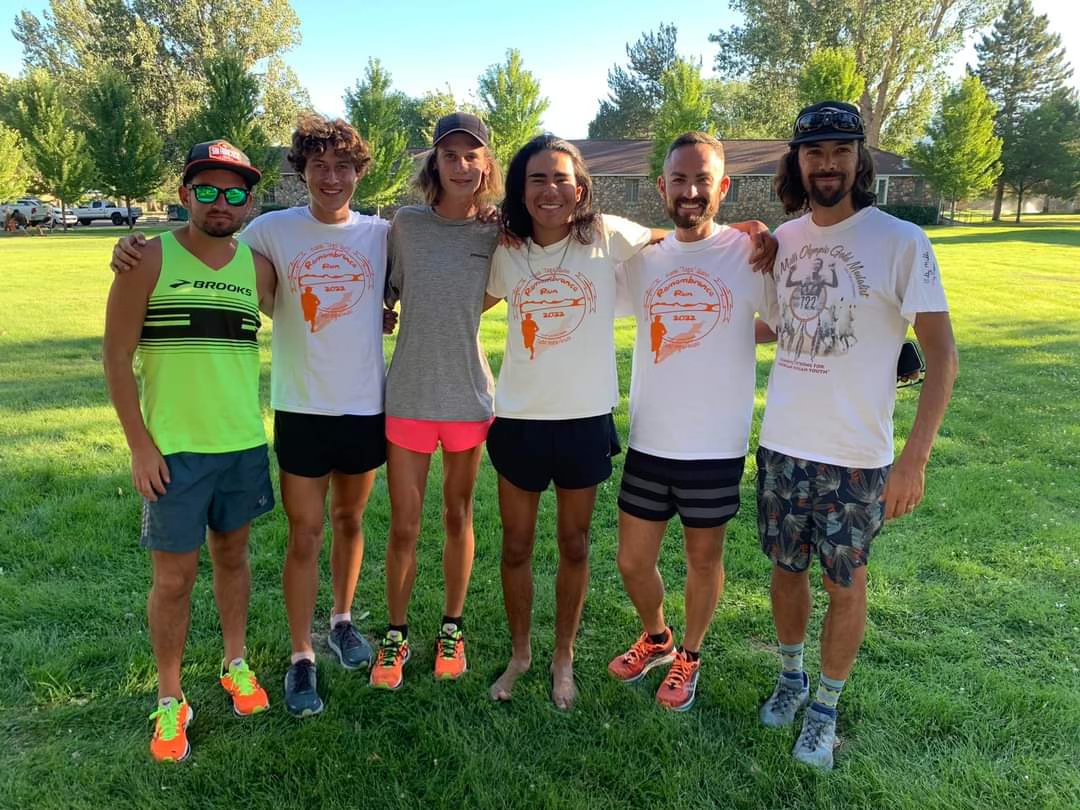
A member of the Yerington Paiute Tribe recently organized a remembrance run to honor survivors of U.S. boarding schools. The event retraced a 50-mile route linked to the history of Native children forced into these schools.
The run was inspired by the organizer’s great-grandfather, who endured the hardships of a boarding school. Participants ran to remember the challenges faced by generations of Native children. The event also served as a way to educate the community about this painful chapter in history.
Native boarding schools were established in the 19th and 20th centuries to assimilate Indigenous children. Students were often taken from their families and communities and were prohibited from speaking their native languages. Many faced harsh discipline, forced labor, and loss of cultural identity.
The remembrance run began early in the morning, with runners dressed in comfortable athletic gear. Along the route, markers indicated locations significant to the history of boarding schools. Participants paused at certain points to reflect and honor the memories of those who had suffered.
Organizers emphasized the importance of remembering and acknowledging past injustices. They encouraged community members to engage in dialogue about the impact of boarding schools on Native communities. The run also highlighted resilience, healing, and cultural preservation.
Local leaders and elders attended the event, offering guidance and support to runners. They shared stories of survival and cultural traditions that had endured despite the efforts to erase Indigenous identity. Their presence reinforced the significance of the remembrance run.
In addition to the physical challenge, the event included educational activities. Informational panels along the route explained the history and consequences of boarding schools. Workshops were offered at the finish line, focusing on cultural revitalization and community healing.
The organizer stated that retracing the 50-mile route helped connect participants to their history. “Running this path is a way to honor our ancestors and acknowledge what they endured,” he said. “It is also a reminder of our resilience and the importance of keeping our culture alive.”
Many participants described the experience as both emotionally powerful and physically demanding. They expressed gratitude for the opportunity to learn and reflect on the stories of boarding school survivors. The event created a sense of unity and shared purpose among runners and community members.
The remembrance run is expected to become an annual tradition, inspiring more people to recognize and honor Native boarding school survivors. Organizers hope it will spark broader awareness and education about the lasting effects of these institutions on Native communities.
By connecting physical endurance with historical remembrance, the event offered a unique way to engage people in both personal reflection and collective memory. It reminded participants that acknowledging the past is essential for healing and cultural preservation.
Through events like this, Native communities continue to share their stories, honor survivors, and educate the wider public about a history that is too often overlooked. The run serves as a lasting tribute to the courage and resilience of those who endured boarding schools.
