


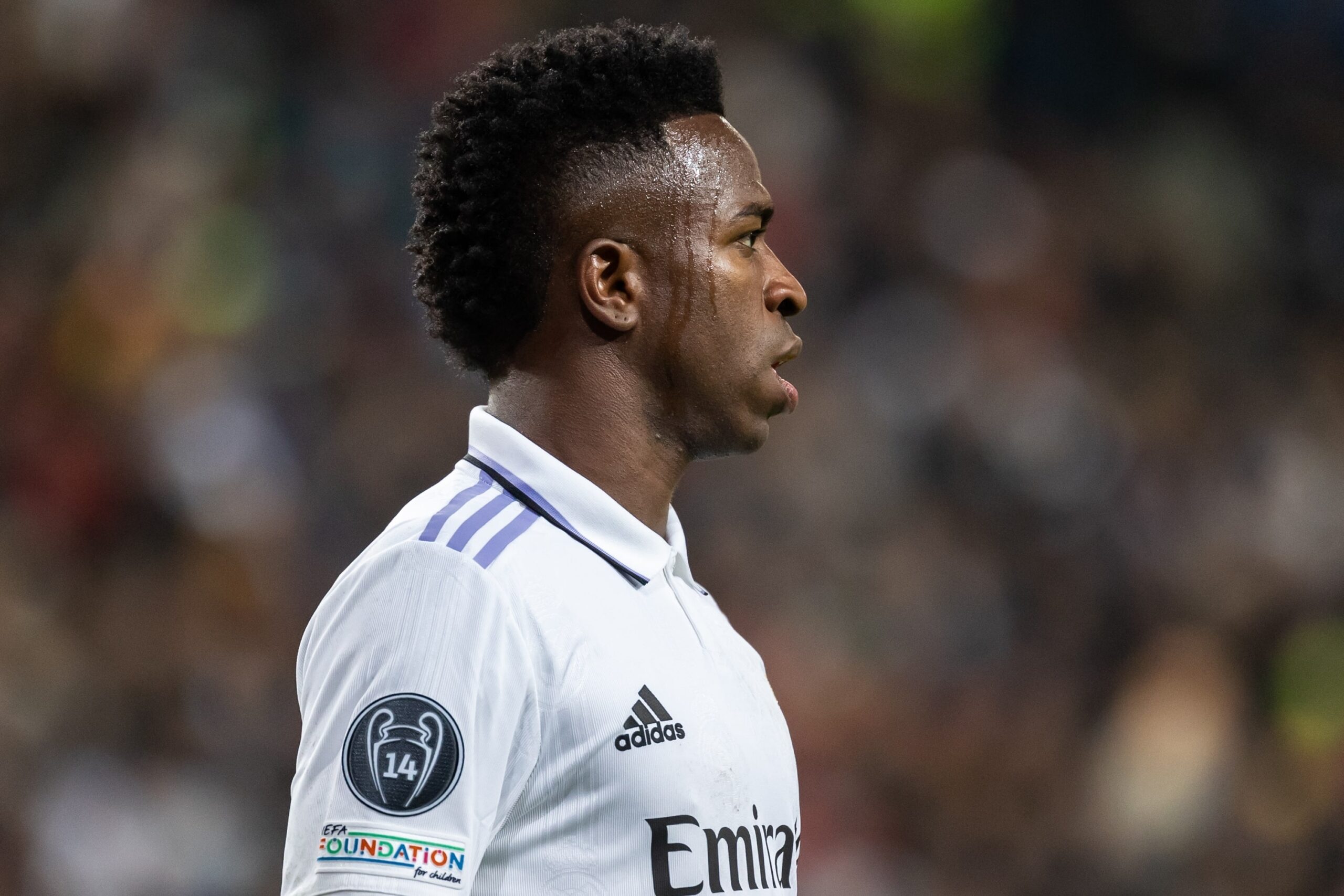
Real Madrid dominated Barcelona 2-1 at the Bernabéu, extending their lead at the top of La Liga to five points. Xabi Alonso’s side controlled the game with structure, intensity, and precision in his first Clasico as manager. Jude Bellingham ended his goal drought with his first league goal and an assist since recovering from shoulder surgery. Kylian Mbappé continued his scoring streak and led the attack with composure. Yet the night’s triumph was clouded by Vinicius Jr’s angry reaction to being substituted.
The Brazilian winger lost his temper after being replaced in the 72nd minute. He ignored Alonso, stormed down the tunnel, and returned to the bench visibly frustrated. Spanish football analyst Guillem Balague reflected on Madrid’s tactical dominance and the growing tension between Vinicius and the club.
Alonso’s strategy secures control and balance
Alonso’s debut Clasico proved a statement of intent. Seven of Real Madrid’s last eight managers had lost their first league meeting with Barcelona. After Carlo Ancelotti’s flexible approach failed last season, Alonso’s structured system delivered immediate impact.
“He got it spot on. Real Madrid were superb, and Barcelona struggled to respond,” Balague said. “They pressed high, regrouped quickly when beaten, and even Vinicius contributed defensively. Their lines stayed compact, five to ten metres apart, leaving Barcelona with no solutions.”
The system also boosted Jude Bellingham’s influence. Last season, he carried too much responsibility in midfield. Now, his role is structured but allows movement. He started on the right but often drifted inside to link with Mbappé or attack the penalty area.
“With Eduardo Camavinga in midfield, Madrid gained energy and balance,” Balague explained. “Bellingham pressed intelligently, created chances, and attacked the box. He made life extremely difficult for Barcelona’s midfield.”
Vinicius meltdown reveals tension within Madrid
Vinicius remains a fan favourite, with chants echoing across the Bernabéu. Yet behind the scenes, his relationship with the club is fragile. Reports suggest Madrid could sell him if a large offer comes in, and contract talks have stalled, leaving one year remaining after this season.
His angry reaction to being substituted exposed the strain. After full-time, he tried to confront Lamine Yamal before being restrained. “He deserves criticism for disrespecting Rodrygo, who replaced him,” Balague said. “But Vinicius has always felt isolated and under pressure. He believes he is near the top, yet the club’s focus has shifted to Mbappé.”
Balague added that Vinicius senses a lack of support from the club. “There are reports Madrid wouldn’t reject €250 million for him. He feels that. When Alonso substituted him—fairly, since he stopped defending—he thought, ‘why me again?’ Rebuilding trust is a major challenge.”
Barcelona collapse under Madrid’s pressure
Barcelona’s defeat highlighted their inconsistent season. After winning all four Clasicos last year, they looked disorganised and slow. Injuries to Raphinha, Robert Lewandowski, and Dani Olmo have disrupted Hansi Flick’s system and intensity.
“They look slower and less aggressive,” Balague said. “Their pressing has dropped, leaving space for Madrid. On Mbappé’s goal, Alejandro Balde played him onside, and the midfield failed to react. They were disjointed throughout.”
Lamine Yamal, a key threat last season, struggled to influence the game. “He isn’t fully fit, probably due to groin pain,” Balague noted. “The Barcelona that caught Mbappé offside eight times last year is gone. They miss Raphinha’s energy in attack and defence.”
Marcus Rashford, on loan from Manchester United, also struggled to impact the game. “He tried to attack from the left but lacked support,” Balague said. “He faced multiple defenders and lost possession too often. His assist came from one rare pressing moment. Barcelona’s system falls apart without high pressing.”
