


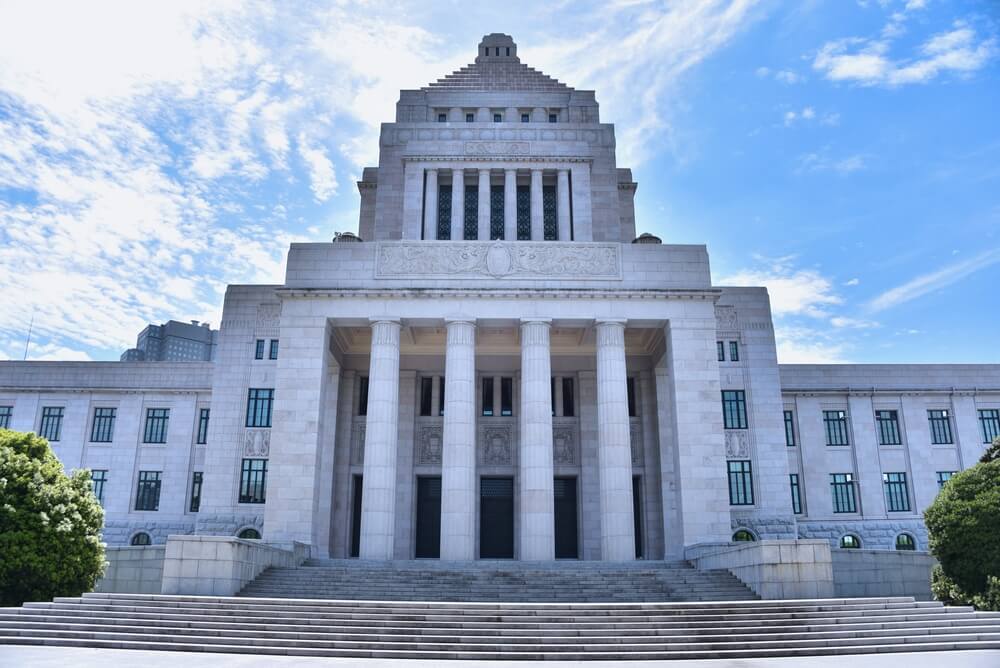
A historic win at the polls
Japanese Prime Minister Sanae Takaichi is poised for a commanding victory in snap elections, with early estimates suggesting her ruling bloc has captured a two-thirds majority in the lower house. If confirmed, this would mark the strongest showing for the Liberal Democratic Party (LDP) since 2017, under Takaichi’s late mentor, Shinzo Abe. The party is projected to win roughly 300 of 465 seats, a dramatic rise from 198, potentially allowing it to govern without relying on its junior partner, the Japan Innovation Party.
LDP Secretary General Shunichi Suzuki said the result reflected voter support for Takaichi’s proactive fiscal policies and strengthened national defense initiatives. Meanwhile, the main opposition alliance suffered major losses, and the anti-immigration Sanseito party appeared to expand its presence modestly.
Rebuilding trust at home
At 64, Takaichi has successfully revitalized the LDP’s popularity after years of public frustration over rising prices and corruption. Once on the party’s ultra-conservative fringe, she has broadened her appeal, particularly among younger voters. Her early tenure included a $135 billion stimulus package aimed at easing inflation pressures and a campaign promise to suspend the consumption tax on food.
However, challenges remain. Japan’s national debt is more than twice the size of its economy, and record-high bond yields in recent weeks have raised concerns among international investors, highlighting the delicate balance between economic stimulus and financial stability.
Diplomatic tensions loom
Takaichi’s strong mandate also carries implications for regional security. Known as a China hawk before taking office, she sparked controversy by suggesting Japan could intervene militarily if Beijing attempted to seize Taiwan. China, which views Taiwan as part of its territory, reacted sharply—summoning Japan’s ambassador, warning citizens against travel to Japan, and conducting joint air drills with Russia. Even Japan’s last two giant pandas were returned to China last month.
As Takaichi begins her term with unprecedented political backing, she faces the dual challenge of steering Japan’s economy and managing increasingly fraught relations with its powerful neighbor.
