


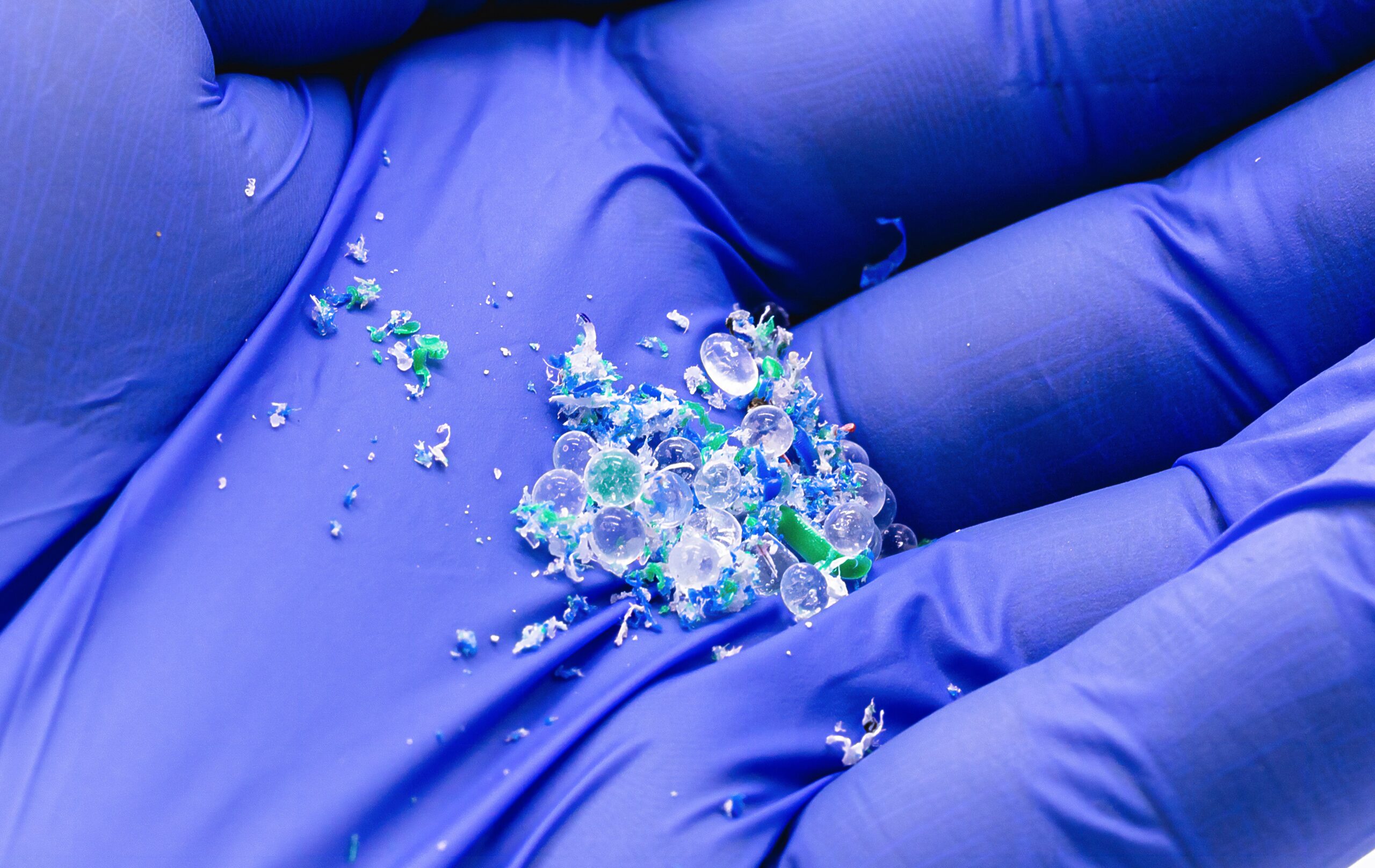
Microplastics are everywhere — in our blood, guts, lungs, even our brains. Scientists estimate we carry about 5g inside us. What this means for our health is still uncertain, but new research suggests these particles could alter how our bodies and minds function.
Dr Christian Pacher-Deutsch from the University of Graz found that exposing gut bacteria to microplastics changed their balance and chemistry, mimicking patterns linked to depression and cancer. “Reducing exposure is a wise precaution,” he said.
Microplastics come from packaging, clothes, tyres and cosmetics. Some are so small they pass into our cells. “They’ve been found in almost every tissue,” said Dr Jaime Ross, whose studies linked them to behavioural and brain changes in mice. Other research found plastics in human arteries and brains, but experts say more proof is needed.
“Different plastics behave differently inside the body,” said Prof Stephanie Wright. “We still don’t know which ones are most harmful.”
How to Cut Exposure
- Don’t heat food or drinks in plastic.
- Use glass or metal containers.
- Avoid plastic teabags and chopping boards.
- Choose natural fabrics and fibres.
- Check cosmetics for plastic ingredients.
We can’t escape microplastics completely, but small choices can help reduce the amount inside us — and in the world around us.
