


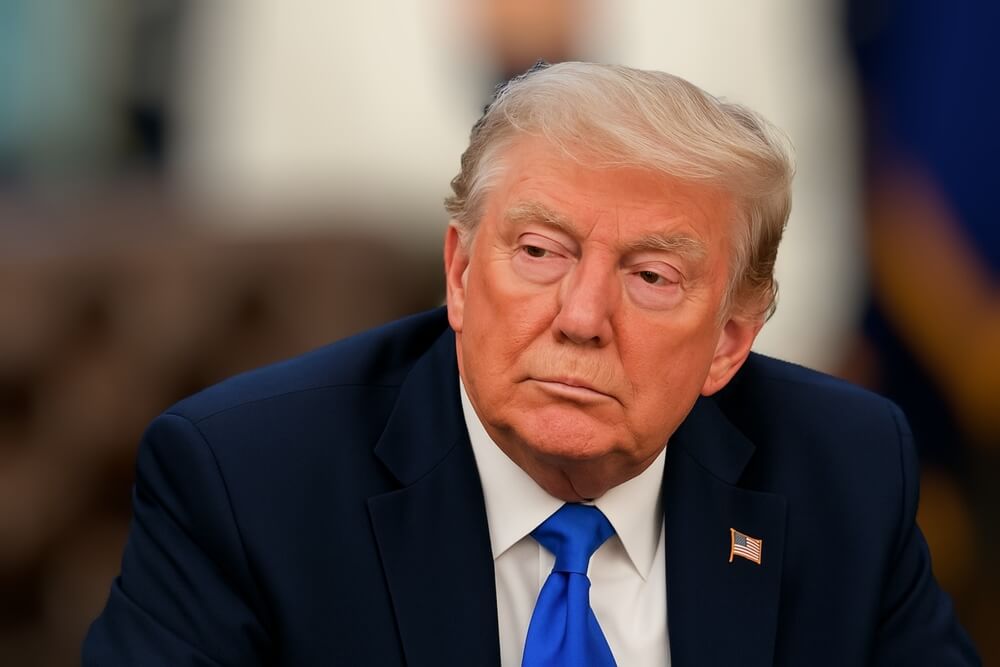
President Moves Quickly After Court Setback
US President Donald Trump announced an immediate increase in worldwide tariffs from 10% to 15%, just a day after the Supreme Court ruled that his previous use of emergency powers to impose tariffs exceeded his authority. Trump described the court decision as “poorly written” and insisted he could maintain and expand tariffs under other legal frameworks.
Congress vs. Executive Power
The Supreme Court’s 6–3 ruling emphasized that only Congress has the power to levy taxes, including tariffs, not the president. Chief Justice John Roberts noted the Constitution does not vest taxing authority in the executive branch. While the decision blocks the emergency powers approach, the administration can still pursue tariffs under Section 301 and Section 122 of the Trade Act of 1974, though these options come with stricter limits on speed, duration, and scope.
Legal Challenges and Future Plans
Several states and businesses have filed lawsuits challenging Trump’s previous tariffs, claiming the emergency powers law does not authorize such measures. Despite these legal battles and public concern over rising costs, Trump said some tariffs will remain while others will be replaced or adjusted using alternative legal authorities. Administration officials have confirmed they plan to continue investigations and maintain protections against unfair foreign trade practices.
