


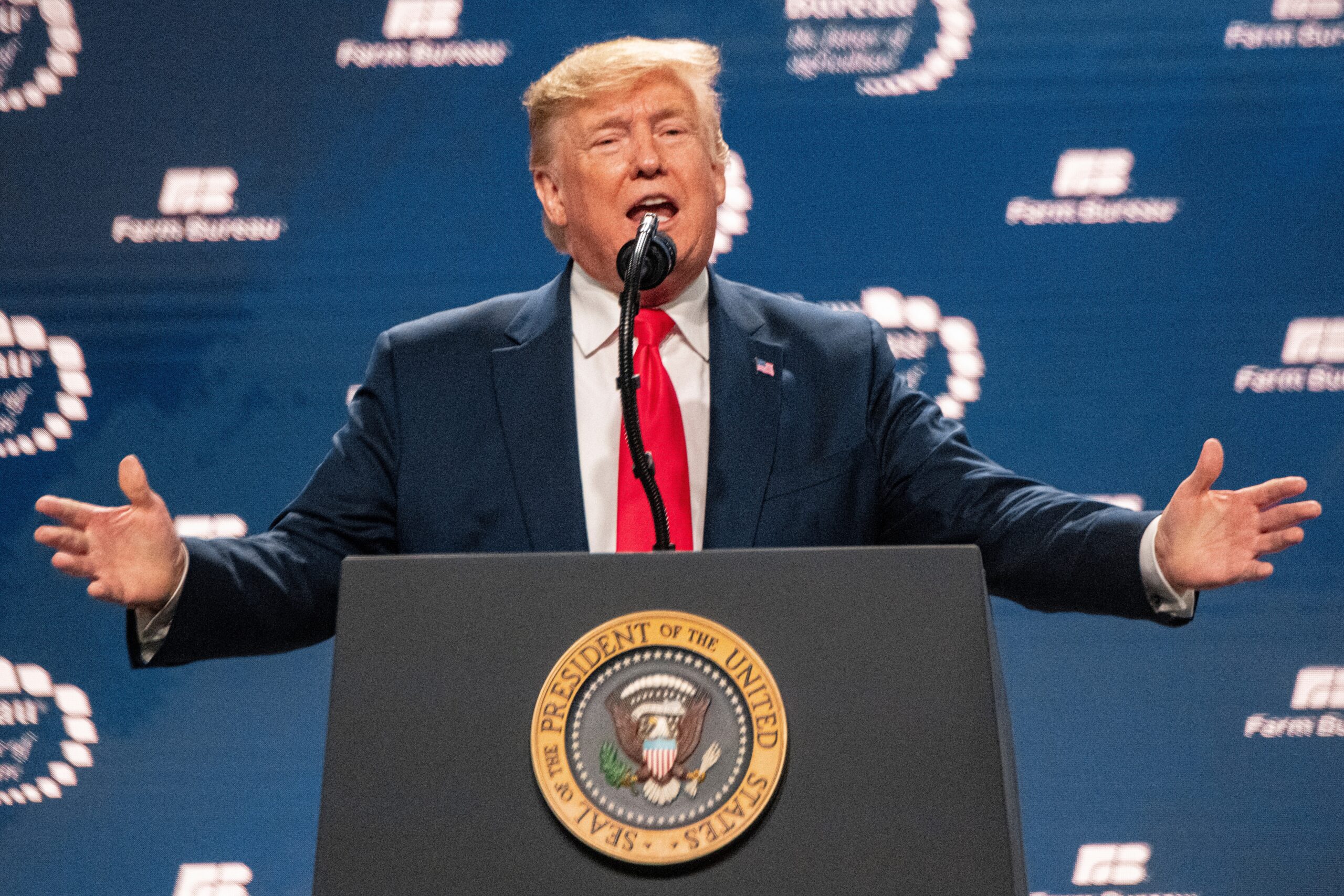
President Trump demanded Attorney General Pam Bondi act quickly against figures he calls his enemies.
He named James Comey, Adam Schiff, and Letitia James, claiming they were “all guilty as hell.”
Trump criticized the Justice Department on social media for indicting him five times “over nothing.”
He later told reporters, “They have to act. They have to act fast.”
Sudden U.S. Attorney Ouster Raises Questions
Trump ousted Erik Siebert, U.S. attorney in Eastern District of Virginia, after he declined to prosecute Comey and James.
Trump announced he would nominate Lindsey Halligan, a former insurance lawyer on his legal team, to replace Siebert.
Siebert’s removal sparked concerns over politicization of Justice Department offices nationwide.
Pressure Spreads to Other Federal Prosecutors
Administration officials increased scrutiny on Kelly Hayes, U.S. attorney in Maryland.
Hayes oversees investigations into Schiff and John Bolton, despite evidence limitations.
She confirmed she would not pursue charges without sufficient proof, even under intense pressure.
Political Purge Extends Across Justice System
Trump’s campaign against U.S. attorneys mirrors prior purges at DOJ headquarters and the FBI.
His actions aim to facilitate prosecutions of political foes and influence ongoing federal cases.
Observers note the move challenges the traditional independence of the Justice Department and prosecutorial norms.
Legal Norms Clash With Trump’s Demands
White House interference in U.S. attorneys’ offices historically triggers controversy, as seen in 2006 under Alberto Gonzales.
Trump’s handling of Siebert’s removal contrasts sharply with prior standards, signaling unprecedented political control over prosecutions.
He repeatedly insisted prosecutors “must act fast” against those he considers enemies, regardless of legal constraints.
