


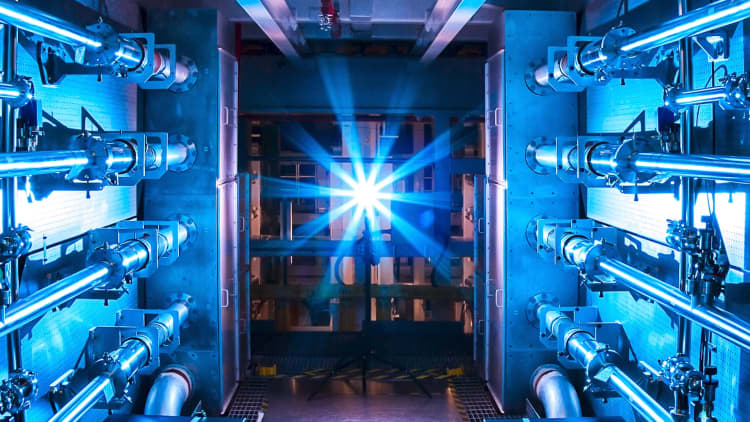
A new report sponsored by the US Department of Energy outlines key technologies that could make commercial fusion energy a reality. Fusion, the process that powers the sun, promises virtually limitless, clean electricity if successfully harnessed.
The report highlights breakthroughs in magnets, plasma control, and reactor design that improve efficiency and safety. These advancements bring the goal of fusion power closer than ever before. Fusion generates energy by combining atomic nuclei, producing no greenhouse gas emissions and minimal radioactive waste compared to traditional nuclear power.
Experts say achieving commercial fusion would revolutionize energy production. Unlike solar or wind, fusion provides continuous power regardless of weather or time of day. This could help meet growing global electricity demand while drastically cutting carbon emissions.
Several fusion projects in the United States are already testing new reactor designs. High-temperature plasma confinement, advanced superconducting magnets, and innovative fuel cycles are among the areas receiving major funding and research focus.
The Department of Energy report emphasizes that while technical challenges remain, the progress is significant. Improved materials and diagnostic systems allow reactors to operate longer and more safely. These innovations also reduce the cost of fusion experiments and increase the chances of commercial viability.
Fusion energy could transform multiple industries. It may provide clean electricity for cities, support high-energy industrial processes, and reduce reliance on fossil fuels. The ability to produce large amounts of power without harmful emissions makes it a key part of the transition to a sustainable energy future.
The report also highlights international collaboration. Researchers in Europe, Asia, and the US are sharing data and technology to accelerate progress. This global effort increases the likelihood of achieving commercial fusion within the next few decades.
One challenge remains: sustaining a controlled fusion reaction long enough to produce net energy. New materials for reactor walls, better plasma containment systems, and efficient energy capture are helping to overcome this hurdle. The report indicates that incremental advances are adding up, moving fusion closer to practical use.
Policy makers are encouraged to continue supporting fusion research. Investment in technology, infrastructure, and skilled personnel is critical. The report notes that fusion could complement renewable energy sources, providing reliable baseload power while solar and wind scale up.
Public interest in fusion energy is growing as climate concerns mount. Fusion promises a near-limitless supply of electricity with a small environmental footprint. Experts believe that successful commercial fusion could reshape energy markets, reduce carbon emissions dramatically, and secure energy independence for many countries.
The Department of Energy’s report concludes that continued research and funding are essential. The technologies identified could form the backbone of the first commercially viable fusion plants, potentially within the next 20–30 years.
Fusion energy remains one of the most promising paths to a carbon-free future. With sustained investment and international collaboration, this clean, safe, and nearly limitless power source could soon move from experimental labs to the grid, powering homes, businesses, and industries around the world.
