


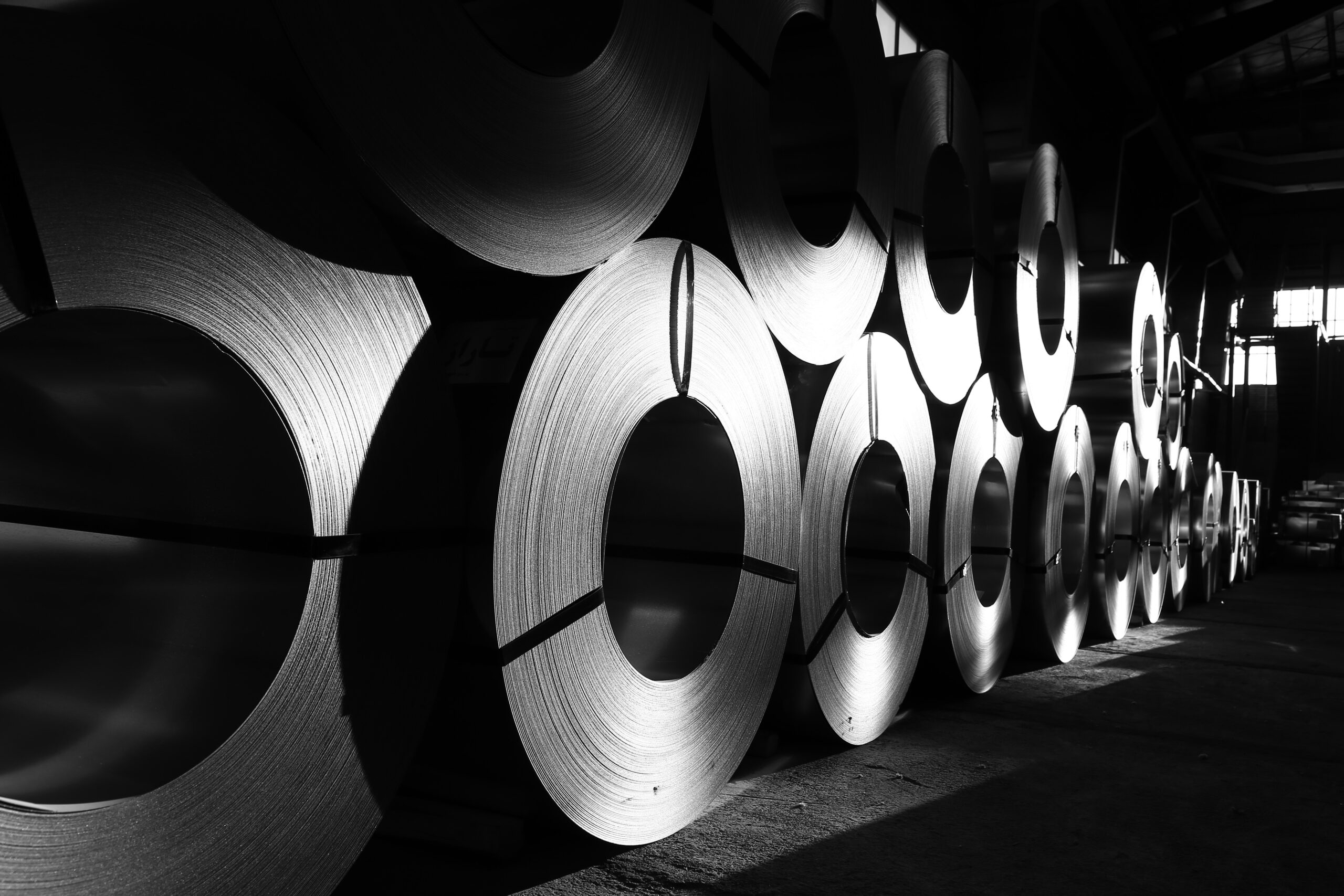
The US imposed 50% tariffs on EU steel and aluminium in June, requiring importers to prove material origins.
EU industries now face extra costs to comply with the new rules on finished products.
Complex Rules Complicate Trade
ACEA said the “melt and pour” rule forces suppliers to track material origins across multiple tiers.
Many suppliers cannot provide this information, making compliance difficult and time-consuming.
Parts combining steel, aluminium, and copper face overlapping tariffs, further complicating classification.
In August, the US added 407 more product categories, including machinery, turbines, construction materials, and fire extinguishers.
Financial and Administrative Pressures Mount
ACEA warned tariffs now hit generic materials critical to automotive manufacturing, even if car-specific products remain exempt.
Some carmakers already experience substantial financial impacts, with costs still being assessed across the sector.
Under the August EU-US trade agreement, EU cars face 15% tariffs in addition to steel and aluminium costs.
CECIMO said tariffs raise costs, increase uncertainty, and create heavy paperwork for European exporters.
The EU failed to secure steel and aluminium exemptions in July’s deal but seeks tariff quotas to ease exports.
