


A Peace Process That Can’t Exclude Europe
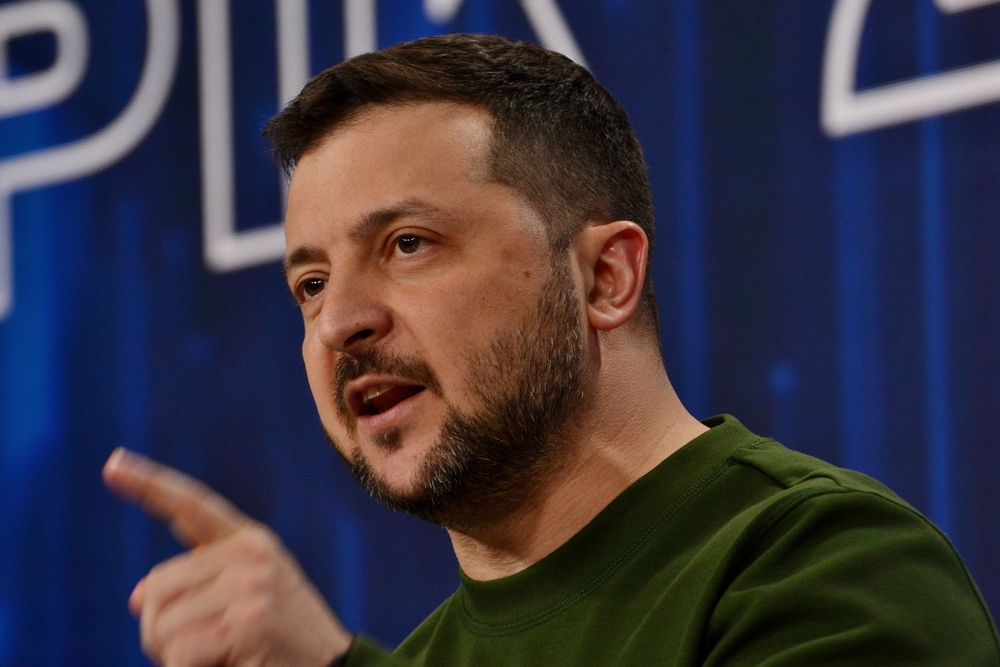
At the Munich Security Conference, Ukrainian President Volodymyr Zelenskyy delivered a pointed message: Europe cannot afford to sit on the sidelines while the United States leads negotiations to end the war with Russia. Calling Europe’s limited involvement a “big mistake,” he argued that any durable peace must safeguard the security of the entire continent, not just Ukraine and Washington.
Zelenskyy acknowledged that another round of trilateral talks with the U.S. and Russia is approaching, but said progress toward a ceasefire has been painfully slow. He voiced frustration that the sides often appear to be speaking past one another and warned against framing negotiations around Ukrainian concessions alone. Without equal pressure on Moscow, he said, diplomacy risks emboldening further aggression instead of stopping it.
Guarantees First, Then Politics
For Kyiv, security guarantees remain non-negotiable. Zelenskyy stressed that without firm, enforceable commitments, any agreement would be fragile. European nations are expected to carry much of the responsibility, while U.S. backing would serve as a critical safeguard. He confirmed that Ukraine has drafted detailed proposals and stands ready to formalize security arrangements with both European and American partners.
He also suggested that a peace settlement could include a clear timeline for Ukraine’s entry into the European Union, possibly as early as 2027. On domestic politics, Zelenskyy said elections are possible — but only under a real ceasefire. Holding a nationwide vote while soldiers defend the front lines would be neither practical nor fair, he argued. In a sharp aside, he added that a ceasefire enabling free elections in Russia would also be welcome.
Cutting Off Moscow’s War Chest
Beyond the negotiating table, Zelenskyy urged allies to intensify efforts to curb Russia’s oil income, which continues to bankroll its military campaign. He described a fleet of more than 1,000 oil tankers operating near European waters as “floating wallets for the Kremlin.”
Zelenskyy called for tougher enforcement of sanctions, including detaining, blocking, or even confiscating ships that bypass restrictions. He said he has recently discussed stronger measures with Emmanuel Macron and Ursula von der Leyen.
“Without oil money,” Zelenskyy said, “Putin would not have money for this war.”
