


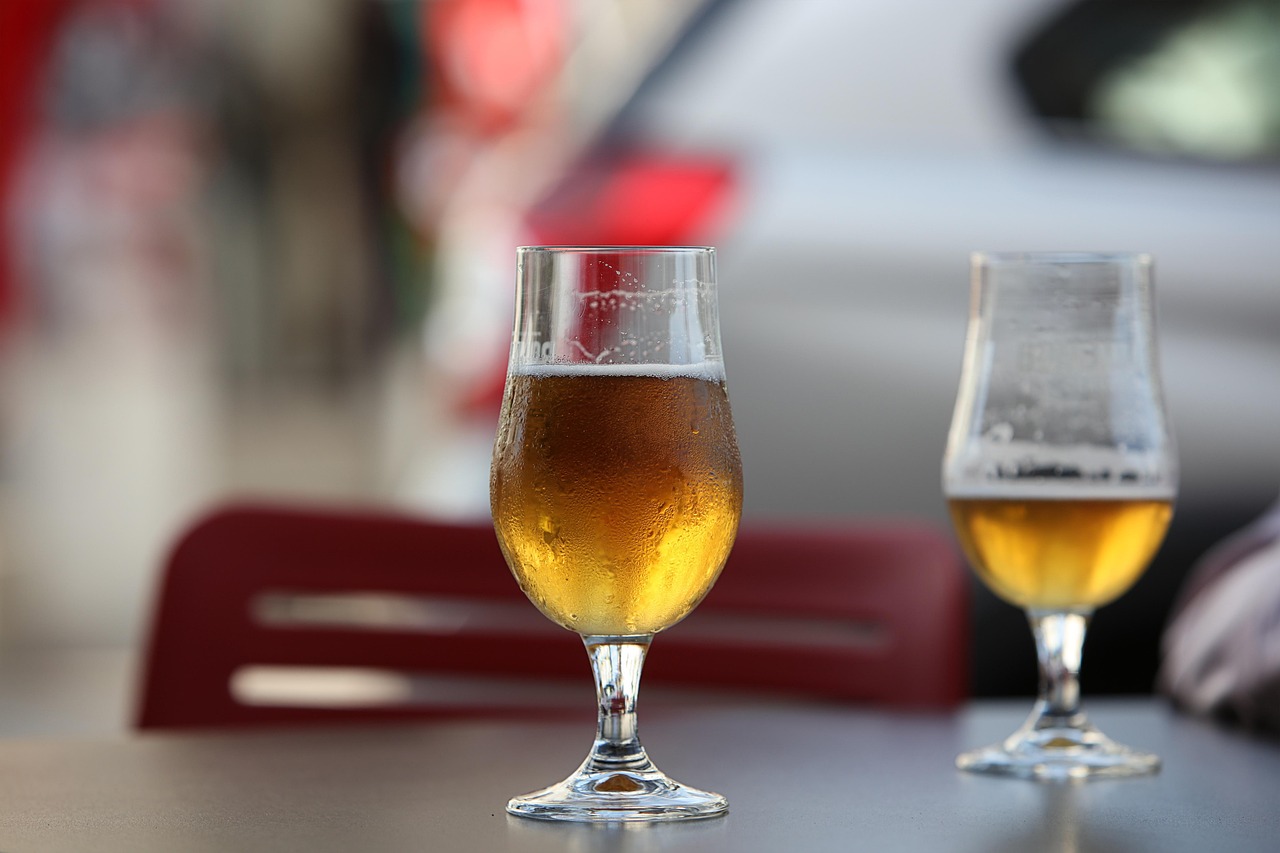
Beer consumption in Germany is declining, while alcohol-free varieties are seeing record growth. The federal statistics office reports that sales of alcohol-free beer have increased by 109 percent since 2013. Meanwhile, overall beer sales are at their lowest level in more than 30 years.
For the first time, total sales fell below four billion liters in a half-year period. Between January and June 2025, German breweries sold about 3.9 billion liters. That marks a decline of 6.3 percent, or 262 million liters, compared with the same period in 2024.
breweries adapt to new trends
The Erdinger brewery near Munich has been producing beer since the 1880s. Chief executive Stefan Kreisz says drinking habits are shifting. Today, roughly a quarter of Erdinger’s production is alcohol-free.
He says brewers must appeal to younger generations. “You need to understand how they meet and how they celebrate. No algorithm tells you to drink beer,” he explains.
Kreisz remains confident about Germany’s beer culture. Erdinger markets its alcohol-free range at sporting events, presenting it as a natural alternative to energy drinks.
health-conscious drinking shapes the market
At Café Kosmos in Munich, barman Louis von Tucher notices guests are more mindful of their consumption. “In the 2000s, people were offended if you suggested water,” he recalls. “Now they are more aware. Most still drink alcohol, but more carefully, and mix in alcohol-free options.”
Yet von Tucher emphasizes that traditional beer continues to dominate. “It’s only a slight shift,” he says. “We sell 150 to 500 liters of normal beer per night, but only around 20 liters of alcohol-free. The gap remains substantial.”
festivals highlight enduring traditions
At Bamberg’s Sandkerwa folk festival, beer culture remains strong. The five-day celebration fills medieval streets with music, food stalls and crowded beer stands.
In the old town, Pascal enjoys a beer with a friend. “Beer is very important here. We have many breweries. Visitors come for the beer and the fest. I don’t think consumption has dropped,” he says.
Magdalena, a student, agrees as she observes the crowd outside a beer garden. “Everyone has a glass of beer. It’s a big part of daily life, even if unhealthy. We all know that,” she admits. “In my generation, people drink less daily, but it’s still Germany, and it’s still Bavaria.”
