


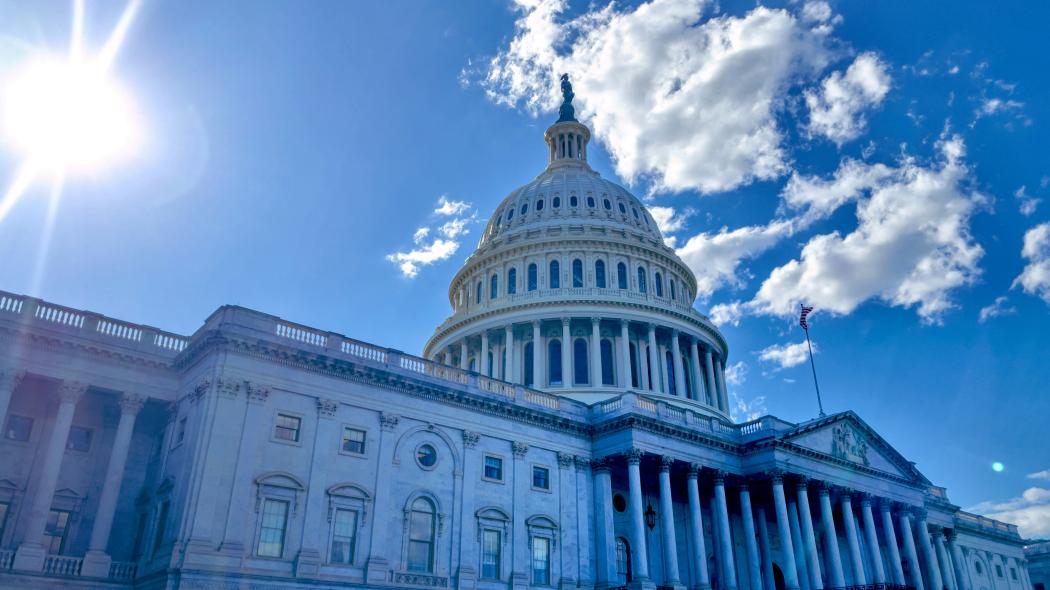
The bipartisan cooperation US is slowly returning in Washington in 2026. Lawmakers from both parties are finding small but real areas of agreement. Recent deals on infrastructure funding and technology rules show a shift in tone. The political climate remains tense. But some lawmakers now focus more on results than conflict. Experts say this change is not a full reset. It is a gradual move toward practical governance. Many voters also support compromise. They want solutions on roads, jobs, and digital safety. This pressure is pushing leaders to work together more often. Still, deep divisions remain on major issues like taxes, healthcare, and immigration. Even so, the new pattern of cooperation is gaining attention across the political system.
Infrastructure deals momentum
Recent infrastructure agreements are helping rebuild trust between parties in Congress. Both Republicans and Democrats have supported targeted funding for roads, bridges, and broadband. These projects create visible results in local areas. Lawmakers see this as a way to show voters that cooperation still works. The focus has shifted from large political fights to smaller shared goals. Transportation upgrades and local development projects often get bipartisan support because they benefit most districts. This practical approach reduces conflict in committee discussions. It also helps speed up some stalled bills. While disagreements still appear on budget size and priorities, the willingness to negotiate has improved. Analysts say infrastructure remains one of the few areas where bipartisan cooperation US can still grow in a stable way. This trend also encourages moderate lawmakers to take stronger roles in negotiations. They often act as bridges between party leaders. This helps keep discussions moving even during tense moments.
Technology regulation has also become a space for limited cooperation. Lawmakers from both parties share concerns about data privacy, online safety, and artificial intelligence risks. These issues affect all Americans, which makes compromise more possible. Recent hearings in Congress show growing interest in setting basic rules for big tech companies. Both sides agree that children’s online safety needs stronger protection. There is also shared concern about misinformation and cybersecurity threats. However, disagreements remain on how strict regulations should be. Some lawmakers prefer stronger federal control, while others support lighter rules to protect innovation. Even with these differences, discussions continue in a more constructive tone than in previous years. Industry groups also push for clearer and more stable rules. They argue that uncertainty slows investment. This shared pressure from businesses and voters helps keep negotiations active. As a result, bipartisan cooperation US is slowly expanding into technology policy, even if progress remains uneven and cautious.
Political analysts say the return of bipartisan cooperation US is still fragile. Deep divisions remain on major national issues. Tax policy, healthcare, and immigration continue to create strong debate. Even so, smaller agreements help rebuild working relationships. These small steps matter in a divided political environment. They create habits of negotiation that can grow over time. Public opinion also plays a key role. Many voters express frustration with constant conflict in Washington. They want leaders who can solve problems instead of fighting. This pressure encourages some lawmakers to seek compromise. The media environment also shapes political behavior. Constant attention on conflict often pushes leaders to show progress when possible. Economic stability is another factor. When the economy faces risks, lawmakers often find more reason to cooperate. Businesses also prefer predictable rules and stable policy. This adds another layer of pressure for agreement. While full unity is unlikely in the near future, the steady return of cooperation in selected areas signals a shift. If this trend continues, Washington may see more practical lawmaking even without deep political unity.
Overall, the shift does not mean Washington has become fully united. It shows a more practical phase of politics. Lawmakers now pick issues where agreement is possible. This approach may not solve every conflict, but it helps government function better. Over time, these small steps could build stronger cooperation across parties.
