


Postal Loopholes Aid Sanctions Evasion
An investigation by German media has revealed that Russia is using a Berlin-based logistics operation to bypass European Union sanctions. According to Bild, banned goods are being shipped to Moscow via a postal system with lighter inspection rules, moving through a logistics hall near Berlin Brandenburg Airport before being forwarded through Poland and Belarus.
The shipments reportedly use labels from Uzbekistan’s state postal service, even though Germany does not authorize the service to operate in the country. International mail is subject to simpler customs checks than standard exports, allowing high volumes of goods to move quickly with minimal scrutiny. The operation is believed to be run by Dimitri V., former managing director of RusPost GmbH, the German branch of Russia’s state postal service. Customs raided the company’s Berlin offices in August 2024, but no charges followed.
Ukraine Demands Tighter Sanctions Enforcement
Ukraine’s presidential envoy for sanctions policy, Vladyslav Vlasiuk, said he was unsurprised by the report and criticized Europe for failing to close such loopholes. “Nobody is doing enough, if you look at the number of cases,” he told Euronews in Berlin.
Vlasiuk, currently touring several European countries including the Netherlands and Belgium, called for stronger measures: stricter enforcement of financial sanctions, preventing Western components from reaching Russia, and more decisive action against Russia’s shadow fleet. He warned that Western parts have been found in many of the over 50,000 Shahed drones used by Russia and noted that alternative payment methods like cryptocurrencies make sanctions easier to evade.
Shadow Fleet Continues to Operate
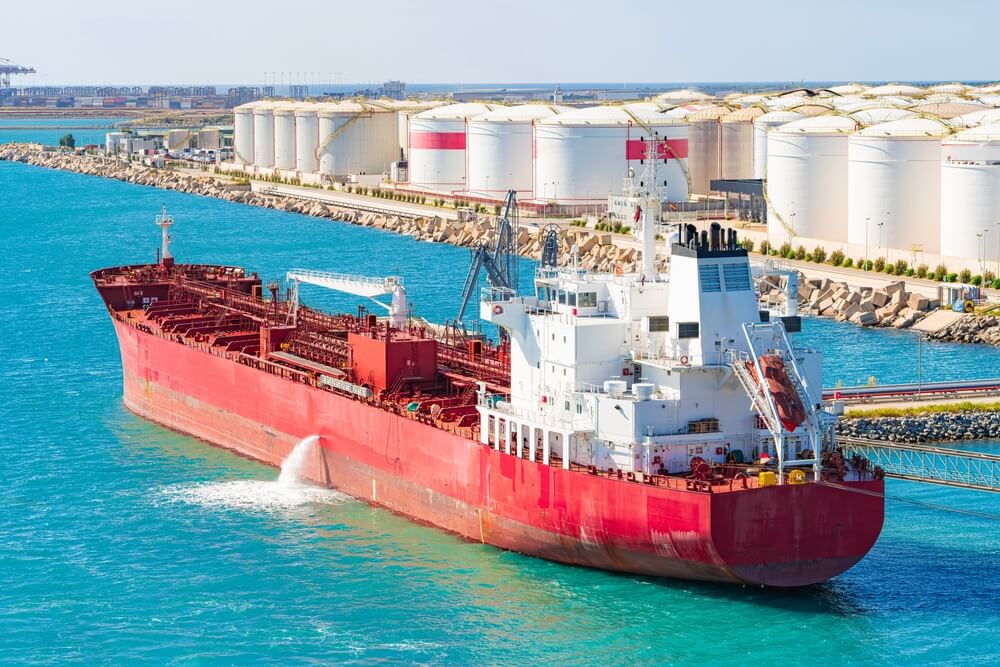
Russia’s shadow fleet, a network of ageing and often underinsured tankers, continues to transport oil and commodities despite sanctions. Many vessels operate under changing or unclear flags of convenience, which offer minimal regulatory oversight.
Although the EU has sanctioned more than 600 ships, around 70% remain active, according to Vlasiuk. France recently seized the tanker Grinch in the western Mediterranean, suspecting it of sailing under a false flag. On 26 January, Germany and 13 other EU countries issued a joint warning that vessels in the Baltic and North Sea operating under multiple or false flags would be treated as stateless unless they hold valid documents, communicate with authorities, and meet safety and maritime standards. The statement did not clarify how violations would be enforced or penalized.
