


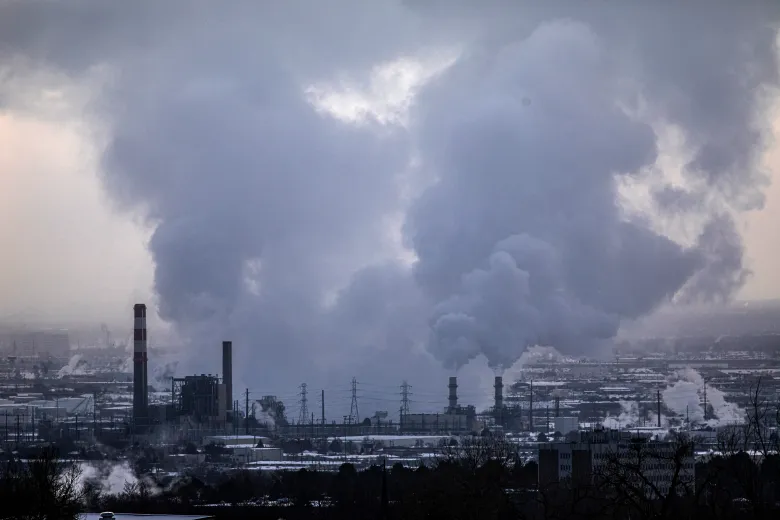
Colorado’s efforts to reduce major industrial pollution are showing stronger results than expected. State environmental data indicates that programs aimed at cutting emissions are delivering cleaner air and early progress on climate goals.
The plan focuses on limiting pollution from factories, power plants, and other industrial sources. Officials report that the reductions are happening faster than anticipated, helping Colorado meet climate targets ahead of schedule. Cleaner air is also benefiting public health, as lower levels of pollutants reduce respiratory and cardiovascular risks for residents.
Environmental analysts say Colorado’s approach combines strict regulations with incentives for companies to adopt cleaner technology. This mix encourages innovation while ensuring that industrial operators meet emission targets. Early reports suggest that these measures are working, with measurable improvements in air quality in key regions.
The success also highlights how targeted policies can produce results quickly. By focusing on major pollution sources, Colorado is setting an example for other states looking to balance economic activity with environmental responsibility. The state’s approach shows that reducing industrial emissions does not have to slow down growth or investment.
Public health experts note that early wins in pollution reduction can have lasting impacts. Communities near industrial zones are already experiencing better air quality, which can reduce healthcare costs and improve quality of life. The data also provides momentum for future climate policies, as lawmakers can point to tangible benefits from existing programs.
Colorado’s achievements are being closely watched by other states and environmental organizations. If the trend continues, it could serve as a model for national efforts to cut industrial emissions while supporting economic development. Officials emphasize that continued monitoring and enforcement will be key to sustaining progress over the long term.
The early success in reducing pollution also aligns with broader U.S. climate goals. Federal and state authorities are increasingly focused on implementing policies that curb greenhouse gas emissions while supporting energy efficiency and sustainable industrial practices. Colorado’s example demonstrates that ambitious environmental targets are achievable with coordinated action.
Analysts predict that continued investment in clean technology and strong regulatory oversight will further accelerate pollution reductions. By combining innovation with enforcement, Colorado is positioning itself as a leader in environmental policy and sustainable industrial practices.
The state’s results show that significant environmental improvements are possible within a short time frame. Cleaner air, reduced emissions, and early climate target achievements indicate that Colorado’s model could inspire similar initiatives nationwide. As other regions face pressure to reduce pollution, the state’s data provides evidence that proactive policies can deliver real-world benefits.
Colorado’s ongoing commitment to industrial pollution reduction illustrates the importance of strategic planning and community engagement. By tracking emissions, providing incentives, and enforcing regulations, the state has created a framework that encourages sustainable practices while protecting public health and the environment.
