


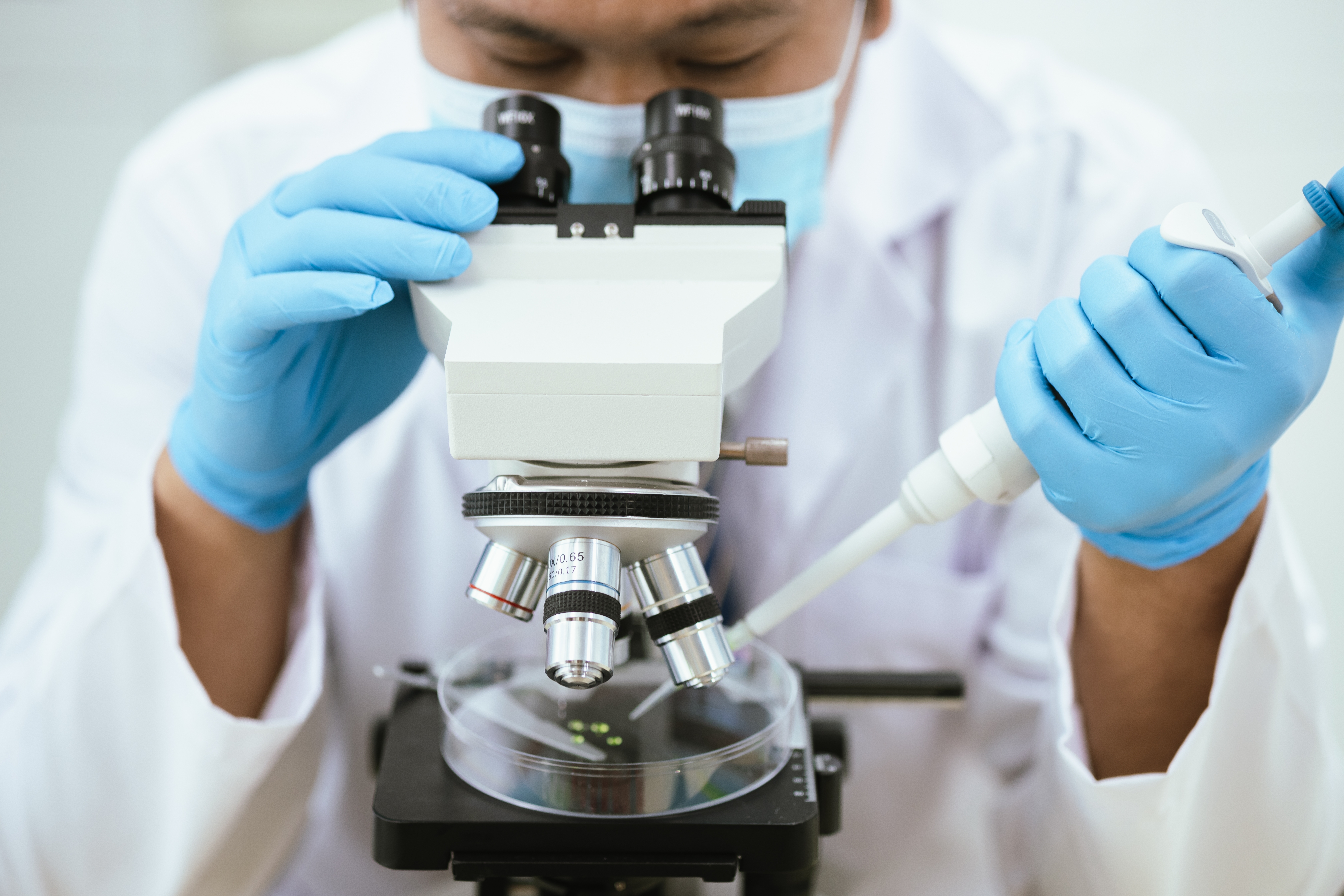
Scientists have created embryo-like structures from human stem cells that can produce blood, marking a major step toward regenerative medicine and patient-specific therapies.
The research team at the University of Cambridge’s Gurdon Institute observed the appearance of blood-red patches in their lab-grown models — a sign that human blood cells were forming naturally. “It was an exciting moment when the blood-red colour appeared in the dish – it was visible even to the naked eye,” said Dr Jitesh Neupane, lead author of the study.
The embryo models were grown entirely from stem cells, without using eggs or sperm. By mimicking early human development — particularly during the third and fourth week of pregnancy — the system produced key cell types, including beating heart cells by day eight and blood stem cells by day 13.
These lab-grown blood stem cells were also able to mature into red and white blood cells, suggesting potential future use in bone marrow transplants or treatments for blood disorders such as leukaemia.
Unlike previous techniques that require additional proteins, the new method relies on the cells’ own ability to self-organise, closely resembling natural embryonic development.
“This is still early-stage research,” said Prof Azim Surani, senior author of the study, “but the ability to generate human blood cells in the lab represents a significant advance toward regenerative therapies that use a patient’s own cells to repair damaged tissues.”
The model was intentionally designed without placenta or brain-forming tissues, ensuring it could not develop into a viable embryo. Researchers say the work will help uncover how blood and heart cells form in the earliest stages of life, paving the way for safer and more effective stem-cell-based treatments.
