


Justice Department Releases Limited Records
The US Justice Department released thousands of files tied to disgraced financier Jeffrey Epstein on Friday, but the disclosure fell short of public and congressional expectations. Many of the documents include photographs, call logs, and court records, though most are heavily redacted, prompting criticism from Democrats who accused the Trump administration of withholding key information. Officials said additional documents would be released in the coming weeks, but lawmakers stressed that transparency demands the full, uncensored files, including all evidence related to high-profile figures linked to Epstein.
Trump Signs Law Amid Pressure
President Donald Trump, a former friend of Epstein, resisted releasing the records for months, arguing that the files contained no material of public interest. On 19 November, he signed legislation mandating the Justice Department to release most files within 30 days, bowing to pressure from Republican colleagues. Deputy Attorney General Todd Blanche had expected hundreds of thousands of files to be made public immediately, with additional releases to follow. In practice, only a fraction of that number appeared online, and Blanche admitted to Congress that the document production remained incomplete. The department now expects to complete the release by the end of the year.
Contents of the Initial Release
The initial batch includes about 4,000 files, mostly photographs taken by the FBI during searches of Epstein’s homes in New York and the US Virgin Islands. The release also features images of envelopes, folders, and boxes from various investigations, alongside court documents, public records, and congressional disclosures. The Justice Department redacted any information that could identify victims and barred material showing sexual abuse. While some documents had previously circulated through lawsuits and media reporting, the redactions sparked frustration among advocates for full transparency.
High-Profile Figures Appear in Documents
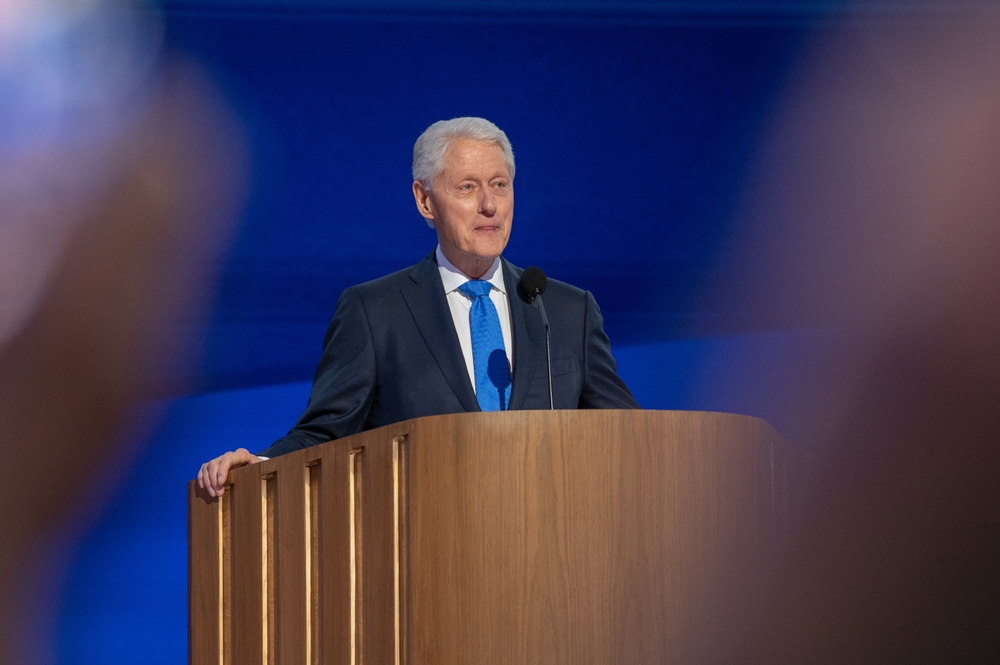
Several photographs feature former President Bill Clinton, who has admitted to traveling on Epstein’s private jet but denies any knowledge of his crimes. The images show Clinton on a private plane with a woman whose face is obscured, in a swimming pool with Ghislaine Maxwell and another unidentified individual, alongside Michael Jackson and Diana Ross, and in a hot tub with an obscured companion. White House aides quickly drew attention to the photographs on X, prompting spokesperson Karoline Leavitt to react with “Oh my!” and a shocked emoji. Clinton’s deputy chief of staff, Angel Ureña, clarified, “This is not about Bill Clinton. There are two types of people here. The first group knew nothing and severed relations with Epstein before his crimes came to light. The second group continued relations with him afterwards. We are part of the first one.” Clinton has never faced accusations related to Epstein.
Minimal Trump References and Other Figures
The documents include few references to Trump, and images of him have already been widely published. Former Prince Andrew also appears in one photo, reclining on the laps of women dressed in formal attire. Epstein accuser Virginia Giuffre had alleged that the financier arranged sexual encounters for her with several men, including Prince Andrew. Survivor Marina Lacerda expressed frustration at the limited release, saying, “Just release the files. And stop blacking out names that don’t need to be blacked out.”
Lawmakers Demand Full Transparency
The partial release sparked criticism from lawmakers on both sides of the aisle. Representatives Ro Khanna (D-CA) and Thomas Massie (R-KY), who helped force the release through a congressional discharge petition, denounced the limited files on social media. Massie said the release “grossly fails to comply with both the spirit and the letter of the law,” while Khanna called it “disappointing” and vowed to pursue the complete set of documents. Senator Jeff Merkley (D-OR) warned that failing to meet the deadline denied justice to victims and pledged to explore all legal avenues for transparency. The House Oversight Committee has also issued a subpoena, which could compel further disclosure, though enforcement would require Republican support against a Republican administration.
